
How to Safely Pack Artwork | Vermont 12 Tonne Planning Guide
Verified route, conditional artwork guidance: an anonymised June 2026 calendar record confirms a local Vermont move using two movers and a 12 tonne truck. The record does not list artwork, mirrors or framed items. This guide applies fragile-flat-item packing to the real capacity and access context for customers whose inventories do include them.
Artwork is often left until the end of packing because it sits on the wall and looks simple. That is exactly when damage happens. Framed prints, canvas pieces, mirrors and glass-fronted photos are flat, awkward and easy to pressure from the wrong angle. For a 12 tonne family home move, they need a separate plan, not a last-minute gap between furniture.
If you are moving artwork, mirrors or fragile items in Vermont, Glen Waverley, Wantirna, Ringwood, Nunawading, Mitcham or nearby eastern suburbs, request a free moving quote from JD Movers. Send photos of the fragile items, dimensions, frame type, glass or canvas details, and access photos so the team can plan the safest loading position.
Real loading lesson for fragile items
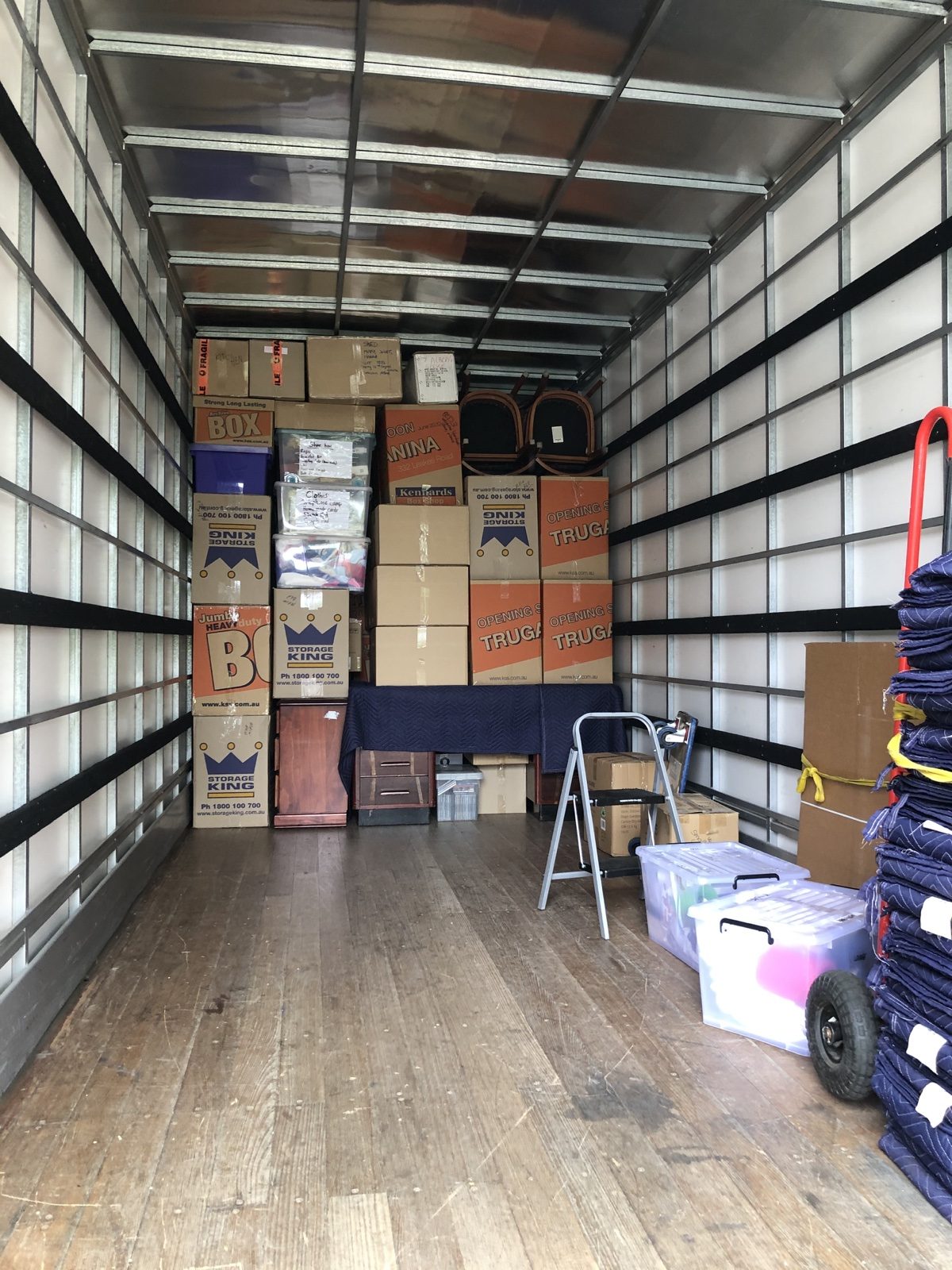
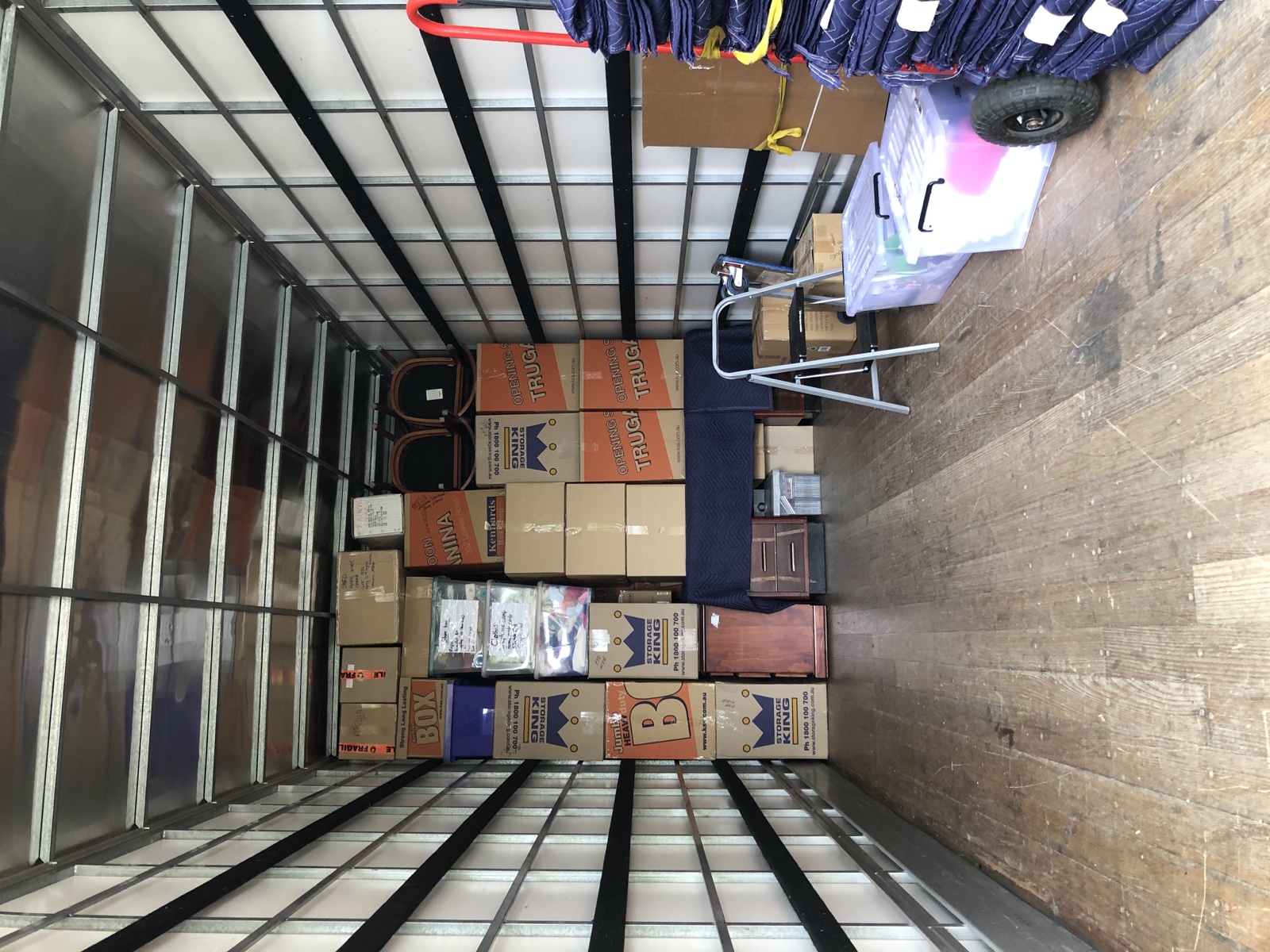
A real 12 tonne home move often has boxes, transparent storage tubs, moving blankets, furniture and open load space all competing for position inside the truck. That type of scene is useful for artwork planning because it shows the difference between ordinary stacking and careful separation. Fragile flat items should not be pushed into a packed load after every other item has already taken the best space.
For a Vermont 12 tonne move, the safer approach is to identify framed pieces, mirrors and fragile wall decor before the truck reaches the final loading stage. That gives the movers room to keep these pieces upright, visible and away from heavy pressure points.
Who this artwork packing guide helps
This guide is useful for customers who have framed artwork, mirrors, glass-fronted photos, canvas prints, certificates, display pieces, framed memorabilia or fragile wall decor. It is especially relevant for larger Melbourne home moves where fragile items are mixed with furniture, mattresses, whitegoods, garage items and many boxes.
A 12 tonne truck is often used for many 4-5 bedroom style homes and fuller family moves. A 10 tonne truck can still suit many prepared 3-4 bedroom moves when the item list is controlled. The truck size matters, but the main issue with artwork is not truck volume. The main issue is whether fragile pieces are packed, labelled and loaded in the right part of the truck.
Verified route and artwork-planning scope
| Case type | Verified Vermont 12 tonne route; artwork and fragile-item advice is conditional |
| Suburb focus | Vermont and nearby eastern Melbourne suburbs |
| Truck size | 12 tonne truck for a larger household load |
| Usually suits | Many 4-5 bedroom style homes or fuller family relocations |
| 10 tonne comparison | Many organised 3-4 bedroom moves can use a 10 tonne truck when volume and access are controlled |
| Main lesson | Artwork, mirrors and framed items need early identification, separate packing and a protected loading position |
What counts as artwork or fragile wall decor?
For moving purposes, artwork is not only expensive paintings. Anything flat, framed, glass-fronted, sentimental or easily bent should be treated carefully. The customer should identify these items before final packing starts, not while the removalists are already loading the truck.
- Canvas paintings, prints and stretched artwork
- Framed photos, certificates and posters
- Mirrors and glass wall decor
- Large clocks or decorative panels
- Framed sports memorabilia or display pieces
- Thin timber frames and lightweight decorative items
- Small sculptures or delicate display objects
Why artwork needs a separate moving plan
Artwork can be light but still fragile. A canvas can dent if another item presses into the surface. A framed print can crack at the glass. A mirror can break if it is laid flat under pressure. A thin frame can bend if it is squeezed between furniture. These risks increase when artwork is discovered late in the move.
For a 12 tonne home move, the truck may include heavy furniture, mattresses, boxes, whitegoods, shelving, outdoor items and garage contents. If fragile wall items are not identified early, they can become loose last-minute pieces. That is the situation to avoid. The safer approach is to pack, label and group them before the main load starts.
10 tonne vs 12 tonne truck guide for fragile items
| Truck setup | Usually suits | Artwork planning note |
| 10 tonne truck | Many 3-4 bedroom homes, townhouses and larger unit moves | Fragile items should be packed before loading so they do not become loose end-of-load pieces |
| 12 tonne truck | Many 4-5 bedroom style homes and fuller family loads | More space helps, but artwork still needs separation from heavy furniture and garage items |
| Access-led choice | Homes where stairs, narrow hallways or long carry distance affect the move | Large frames and mirrors may need extra care around corners and stair landings |
Photograph and list artwork before packing
Before wrapping anything, take clear photos of each piece. Capture the front, back, corners and any existing marks. This creates a simple condition record and helps the customer remember which pieces need extra care at the new home.
For larger homes, make a short list by room: living room mirror, hallway photo set, bedroom canvas, study certificates, dining room wall art. This prevents fragile items being left on the wall until the truck is nearly full.
Choose the right packing material
Good packing protects the face, corners and frame. The material depends on the item size, value and whether it has glass. Small frames can often be packed into a strong box with padding between pieces. Large frames, canvases and mirrors need more individual attention.
For framed glass
Use corner protection where possible, cover the glass side with suitable protective material and avoid direct pressure on the centre of the glass. Mark the item as fragile and keep it upright.
For canvas artwork
Avoid pressing anything into the canvas surface. Canvas can stretch or dent if it is pushed against furniture edges, table legs or heavy boxes.
For mirrors
Mirrors should be wrapped, clearly labelled and kept upright. Large mirrors should not be placed loose between heavy furniture or laid flat under boxes.
How to pack artwork before moving day
- Remove artwork from the wall before the final loading rush.
- Group fragile wall items in one safe area of the home.
- Use padding around corners and frame edges.
- Pack small frames into strong boxes with padding between each piece.
- Label fragile boxes on more than one side.
- Keep artwork away from liquids, tools, outdoor items and heavy garage contents.
- Tell the moving team which items need extra care before loading begins.
Loading artwork into a moving truck
Artwork should usually travel upright where practical, away from heavy pressure points. The safest loading position depends on the item size and the rest of the load. The important rule is simple: do not let fragile flat items become filler pieces between heavy furniture.
For a 12 tonne Vermont home move, the loading plan should keep fragile items visible and protected. If mirrors, frames and canvas pieces are clearly labelled, the team can place them in a safer section of the load and avoid stacking boxes or hard furniture against them.
Unpacking artwork at the new home
Artwork should not be the first thing unpacked unless the home is ready for it. Choose a safe room or wall area where fragile pieces can stand upright while larger furniture is placed. This keeps artwork away from the busiest carrying paths during the unload.
Check each piece before hanging it again. Look at glass, corners, frame joints and canvas surfaces. If the customer has taken photos before packing, it is easier to confirm the condition after delivery.
Trust proof from Melbourne customers
JD Movers is shown on its testimonials page as 4.8 out of 5 based on 436 Google reviews. One 5-star Google reviewer said the team had items “stacked properly and safely”. For artwork and mirrors, that matters: careful stacking is what keeps fragile flat items away from pressure, rubbing and sudden movement.
5, 10 and 12 tonne truck planning
JD Movers does not choose a truck by suburb name alone. We compare the property type, bedroom count, box estimate, lift or stair access, parking distance, bulky furniture and whether the job is a full home move, apartment move, office move or selected-item move.
| Truck option | Best fit | Planning note |
|---|---|---|
| 5 tonne truck | 1-2 bedroom units or apartments, small item lists, student moves, compact access or partial furniture moves. | A 5 tonne truck is useful when the load is smaller and parking or apartment access is tighter. |
| 10 tonne truck | 3-4 bedroom apartments, units, townhouses or prepared smaller homes with boxes, beds, lounges and whitegoods. | A 10 tonne truck gives more capacity for a normal household load while still being practical for many Melbourne streets. |
| 12 tonne truck | 4-5 bedroom homes, larger family moves, garage items, outdoor furniture, heavy pieces or commercial stock. | A 12 tonne truck is better when volume, bulky furniture or loading separation matters more than compact access. |
For a more accurate quote, send the pickup and delivery suburbs, property type, bedroom count, box estimate, stairs or lift details, parking notes and photos of large or fragile items.
Useful links for fragile-item moving
- Furniture removals Melbourne
- How to pack fragile items for moving house
- Moving house checklist Melbourne
- Moving essentials checklist
- Melbourne removal services
- Request a free moving quote
Common questions about moving artwork and mirrors
Should artwork be packed before the movers arrive?
Yes. Artwork, mirrors and framed items should be identified and packed before the main loading starts. This gives the movers a better chance to place fragile pieces safely in the truck.
Can artwork go in the same truck as furniture?
Yes, but it should be protected and loaded carefully. The issue is not sharing the truck with furniture; the issue is letting flat fragile items sit under pressure or loose between heavy pieces.
Is a 12 tonne truck safer for artwork?
A 12 tonne truck gives more space for larger family loads, but safe artwork moving still depends on packing, labelling and loading position. A 10 tonne truck can also work for many 3-4 bedroom moves when fragile items are prepared properly.
What photos should I send for a quote?
Send photos of large frames, mirrors, glass-fronted items, canvas pieces, stairs, hallways and the closest truck parking spot. Dimensions are also helpful for larger fragile items.
How do I get a quote for moving artwork?
Use the JD Movers quote form and include the suburb route, bedroom count, fragile item photos, approximate box count and access notes.
Request a quote for fragile item moving
Related JD Movers service areas
This real moving case is connected to local suburb pages where JD Movers explains access, truck size planning and quote details for similar Melbourne moves.
Customers often mention that items are “stacked properly and safely”. Use the related suburb pages together with this case to plan the right 5, 10 or 12 tonne truck before moving day.