
Melbourne CBD Office Relocation Checklist
Planning a Melbourne CBD office relocation? Use this checklist to prepare your furniture inventory, building access, loading-bay booking and moving-day responsibilities before requesting a quote. This is a general planning guide, not a report of a completed customer move.
Commercial moving in Melbourne CBD is different from a normal home move. The furniture may be heavier, the timing window may be narrower, and the crew may need to work around loading zones, security sign-in, lift bookings, building managers and foot traffic. A strong office relocation plan should make the move predictable before the truck arrives.
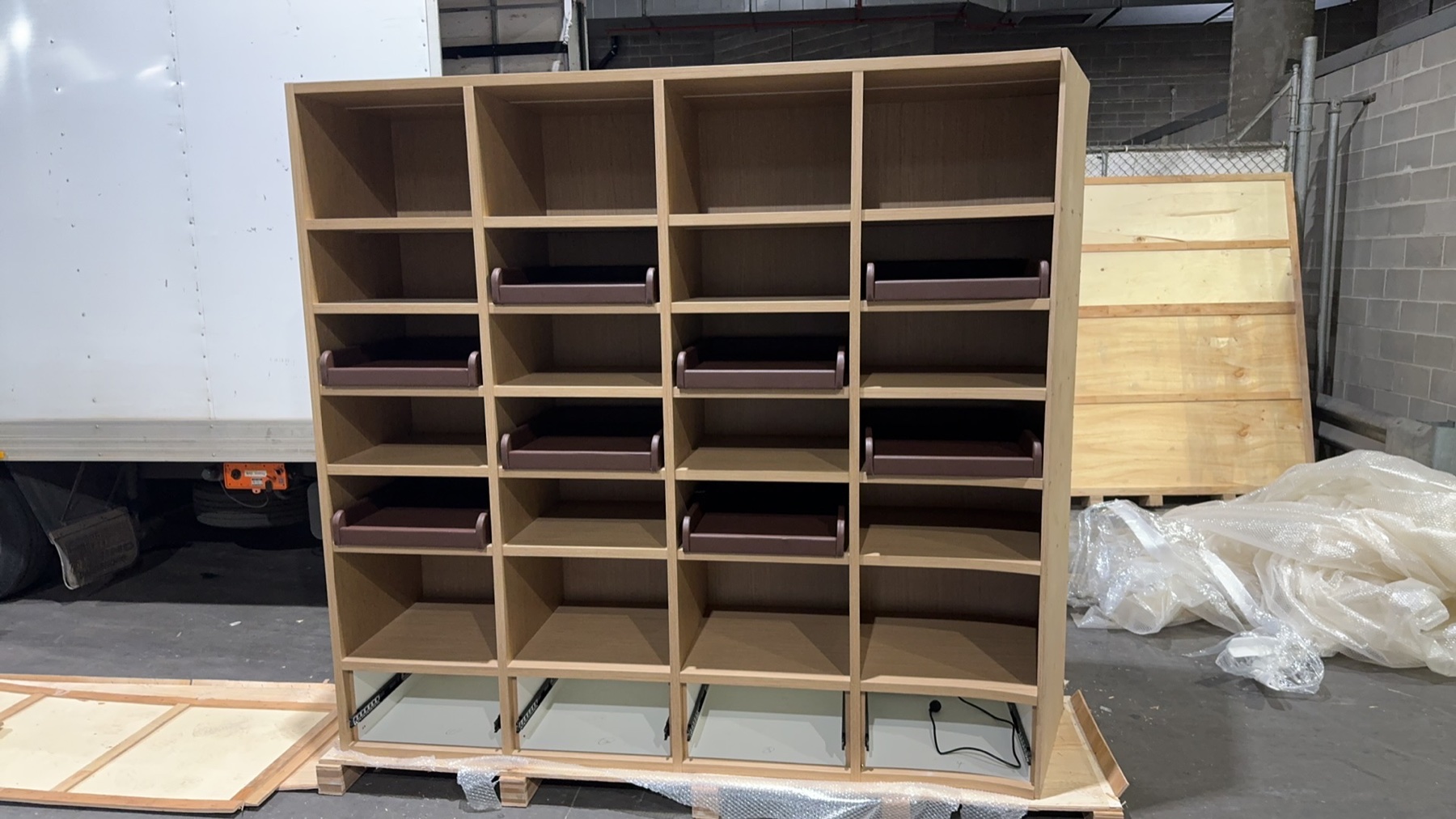
If you are moving an office, showroom, retail display, stockroom, studio or hospitality fit-out, request a commercial moving quote from JD Movers. Send item photos, dimensions, pickup and delivery access notes, lift or loading dock rules and the preferred moving date so we can recommend the truck and crew setup.
Who this commercial access guide helps
This guide is useful for business owners, office managers, shopfitters, property managers and small commercial tenants planning a move into or out of Melbourne CBD. It especially applies when the load includes large cabinets, shelving, display furniture, office desks, storage units, boxed stock, equipment or items that need careful positioning at the delivery site.
A few cabinets, a small office and a full business relocation can require different handling plans. List the actual items and confirm which packing, dismantling and reassembly tasks are included in the quote. Arrange IT backups, disconnection and reconnection with your IT provider, and agree who will manage confidential records.
Information to confirm before booking
| Planning detail | What to provide or confirm |
|---|---|
| Furniture and equipment | Item list, photos, dimensions, fragile surfaces and any dismantling needed. |
| Loading bay and parking | Vehicle height limits, booking windows, stopping restrictions and the carrying distance at both addresses. |
| Goods lift and building access | Lift door and internal dimensions, protection rules, security sign-in and a building contact. |
| Staff and IT handover | A move coordinator, labelled equipment, backup arrangements and responsibility for disconnection and reconnection. |
| Delivery layout | Room or workstation labels, a floor plan and the items needed first when the business reopens. |
| Truck and crew | Ask for a recommendation based on the complete load and access; a suburb or truck capacity alone is not enough. |
Why a 12 tonne truck can suit commercial items
A commercial item move is not always about the number of pieces. It is often about awkward dimensions, weight distribution and how much protection space each item needs. Display cabinets, shelving, benches and office storage units can be wide, tall or fragile in ways that make them harder to stack than ordinary boxes.
A 12 tonne truck gives the crew more room to secure larger pieces without forcing them against sharp edges or unstable stacks. For household moves, this size often suits 4-5 bedroom style loads. For commercial moves, it can also suit a smaller number of large and awkward items when safe spacing matters.
A 10 tonne truck is still useful for many lighter 3-4 bedroom home moves, smaller office loads, apartment-style relocations and straightforward jobs where access is easy. The right choice depends on the actual items, loading distance and the destination rules.
10 tonne vs 12 tonne for business moves
| Truck option | Usually suits | Commercial planning notes |
| 10 tonne truck | Many 3-4 bedroom home moves, smaller office loads and lighter commercial moves | Best when the item list is moderate, parking is close and the access path is simple |
| 12 tonne truck | Many 4-5 bedroom style home loads and larger commercial furniture moves | Better when cabinets, shelving, stock, equipment or bulky display pieces need more protected loading space |
| Access-led choice | CBD or building-managed moves | The truck size should match loading zone rules, lift timing, dock access and how quickly items need to be cleared |
Office furniture pickup planning
The pickup side of a commercial move should be prepared before the truck arrives. Large cabinets and display pieces should be measured, cleared of loose contents and checked for removable shelves, glass, adjustable feet or panels that need to be secured. If a piece is too wide for a hallway or doorway, that should be known before the crew starts moving it.
For a pickup outside the CBD, parking can sometimes be easier, but the loading order still matters. Items going deepest into the delivery site should not necessarily be loaded first if the CBD unloading path is tight. The team needs to think about what comes off first, what needs the lift first and what must be protected from rubbing during travel.
Melbourne CBD delivery planning
The Bourke Street area of Melbourne CBD can involve traffic restrictions, loading zones, building rules and limited stopping time. For a commercial move, the customer should confirm loading dock access, lift booking, security sign-in, building manager requirements and whether the truck can stop close enough to keep carrying time sensible.
CBD moves also benefit from a clear arrival window. If the building has shared lifts, busy retail frontage or pedestrian traffic, the move should be planned for a time that reduces disruption. The smoother the access, the safer and faster the delivery.
Commercial cabinet and display furniture handling
Large commercial cabinets can be difficult because they often combine weight, height and fragile surfaces. Before loading, the crew checks whether doors, shelves, glass panels or loose fittings need to be secured. Items are then wrapped or separated where needed so they do not rub against metal edges, trolleys or other hard furniture.
- Measure tall and wide cabinets before booking the move.
- Remove loose shelves, stock and small fittings where possible.
- Confirm whether glass panels, doors or display surfaces need special care.
- Keep the access path clear from the truck to the pickup point.
- Tell JD Movers if the delivery site has stairs, a lift, a loading dock or security access.
- Prepare a floor plan so each item can be placed once, not moved around repeatedly.
How JD Movers would sequence this type of job
For a business move, sequence is everything. The crew needs to know which items are most fragile, which are heaviest, which should be unloaded first and which must be placed in a particular area at the destination. When the customer provides a simple item list and delivery plan, the team can load the truck with the final layout in mind.
For example, items that need to go through a lift first should be accessible when the truck opens. Heavier pieces need stable positioning during transport. Fragile display surfaces need separation. Stock boxes should not be stacked under heavy cabinets. The goal is to reduce double handling, protect the items and keep the CBD unloading time under control.
Office relocation checklist before moving day
- Confirm the pickup and delivery access times.
- Book the lift or loading dock if the building requires it.
- Send photos of large cabinets, shelving, desks and equipment.
- Measure tall or wide items before booking.
- Pack loose stock, documents, cables and small office items into labelled boxes.
- Label each item by room, department or final placement area.
- Arrange backups and equipment disconnection with your IT provider before the removalists arrive.
- Keep keys, swipe cards and building contact details ready.
- Let staff know which areas need to stay clear during the move.
Customer feedback and commercial moving preparation
Read customer feedback about JD Movers alongside the office moving service details. For your own move, confirm how cabinets, stock, shelving and office furniture will be handled and which tasks are included in the quote.
Good commercial moving is not just strong lifting. It is measured access planning, careful stacking, efficient unloading and clear communication. That is the difference between a business move that feels controlled and one that slows down the workday.
5, 10 and 12 tonne truck planning
JD Movers does not choose a truck by suburb name alone. We compare the property type, bedroom count, box estimate, lift or stair access, parking distance, bulky furniture and whether the job is a full home move, apartment move, office move or selected-item move.
| Truck option | Best fit | Planning note |
|---|---|---|
| 5 tonne truck | 1-2 bedroom units or apartments, small item lists, student moves, compact access or partial furniture moves. | A 5 tonne truck is useful when the load is smaller and parking or apartment access is tighter. |
| 10 tonne truck | 3-4 bedroom apartments, units, townhouses or prepared smaller homes with boxes, beds, lounges and whitegoods. | A 10 tonne truck gives more capacity for a normal household load while still being practical for many Melbourne streets. |
| 12 tonne truck | 4-5 bedroom homes, larger family moves, garage items, outdoor furniture, heavy pieces or commercial stock. | A 12 tonne truck is better when volume, bulky furniture or loading separation matters more than compact access. |
For a more accurate quote, send the pickup and delivery suburbs, property type, bedroom count, box estimate, stairs or lift details, parking notes and photos of large or fragile items.
Useful links for planning a commercial move
- Office relocation Melbourne
- Melbourne removal services
- Furniture removals Melbourne
- Chadstone shopping-centre delivery access guide
- Request a commercial moving quote
Common questions about Melbourne CBD office relocation
Do all office relocations need a 12 tonne truck?
No. Some small office moves can fit a 10 tonne truck, especially when the item list is light and access is simple. A 12 tonne truck is more useful when bulky cabinets, shelving, furniture, stock or equipment need extra protected loading space.
Can JD Movers help with commercial cabinets and display furniture?
Yes. Send photos, dimensions and access notes before booking. Large cabinets and display pieces need careful planning because they can be heavy, awkward or fragile.
What information should I send for a CBD office moving quote?
Send pickup and delivery suburbs, item photos, approximate dimensions, lift or loading dock details, parking restrictions, building access rules and the preferred moving time.
Can the move happen outside normal office hours?
That depends on crew availability and building access. If your building requires a specific time window, include that information when requesting a quote so the move can be planned properly.
How can I reduce downtime during an office move?
Label everything, pack loose items early, disconnect electronics before the team arrives, confirm access with the building manager and prepare a simple floor plan for the delivery site.
Related JD Movers service areas
For local access and quote preparation, read our Melbourne CBD service-area page alongside this office relocation checklist.
Confirm the inventory, lift and loading-bay rules at both addresses before choosing a truck and crew.