
Moving Large Furniture in Melbourne: Sofa, Fridge and Table Guide
Quick answer: measure the furniture and the full carrying route at both homes before booking. Send photos of doorways, stairs, lift entrances and parking, and confirm which parts can be removed. Empty furniture and prepare appliances according to their manuals. Agree on dismantling, protection and room placement with the movers; a bigger truck does not solve a tight doorway.
Moving large furniture in Melbourne needs more than an estimate of the number of boxes. Sofas, dining tables, cabinets, mattresses and whitegoods can require different preparation. The item list, access checks and handling requirements need to be considered together, even for a short local trip.
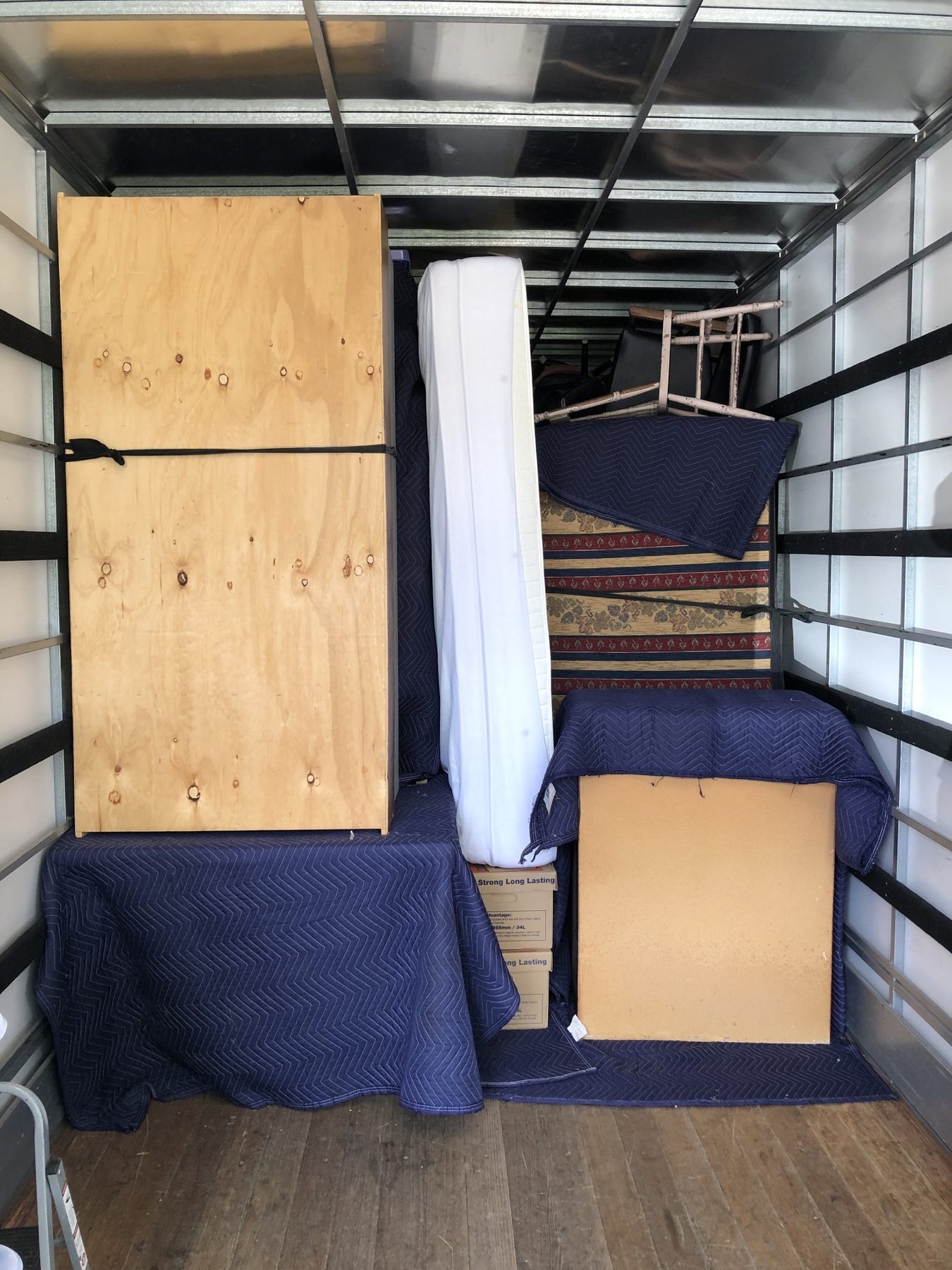
Who this guide is for: Melbourne households planning a full home move or a selected-item move involving bulky furniture. It helps you prepare the information needed for an assessment, not decide on a lifting method yourself.
Request a free moving quote if you want JD Movers to check your suburb route, furniture list, access photos and truck-size plan before moving day.
Measure furniture and the route at both addresses
Record dimensions in the same units and label each photo with the address and item. Measure the opening that is actually usable, not just the nominal door or lift size. Include protruding handles, fixed legs and any protective packaging in the discussion.
| What to check | Information to send |
|---|---|
| Each bulky item | Overall length, width and height; maker/model and published weight if available; photos of fixed and removable parts. |
| Doors and corridors | Clear opening width and height, the approach to the doorway, narrow points and space immediately beyond it. |
| Stairs and landings | Stair width, turns, landing space, overhead clearance and fixed handrails. Include photos from both ends. |
| Lift access | Door opening and cabin dimensions, posted load limit, booking times and building-manager instructions. |
| Outside carrying route | Steps, gates, slopes, uneven surfaces, parking restrictions and the distance between the entrance and loading position. |
| Destination room | The route into the room, intended position and any manufacturer-required appliance ventilation space. |
A sofa being narrower than one doorway does not prove it will turn through the next hallway. Measurements and photos support an assessment; they are not a guarantee that an item will fit. Flag any uncertainty before the moving date.
Match the vehicle plan to the actual inventory
A large furniture move can fill a truck faster than expected. One bulky sofa, a dining table, tall cabinets, a fridge, a washing machine and outdoor pieces can take up more working room than many boxes. The issue is not just total volume. Large items need clean spacing so polished surfaces, soft fabric, glass panels and appliance doors are not pressed against hard edges.
The right truck is the one that matches the real item list, not just the number of bedrooms. A smaller move with bulky furniture may need more truck space than a larger-looking move with mostly boxes. Tell the team about unusually heavy or fragile pieces, items that cannot be stacked and access restrictions. Confirm vehicle and handling arrangements together.
Clear the pickup route before loading
For large furniture, the team needs a clear path from each room to the truck. Hallway width, porch steps, tight front doors and driveway distance all affect the handling plan. Discuss any restrictions on truck parking or use of shared access with the relevant building manager or council before moving day.
Before the movers arrive, it helps to clear the entry path, remove loose rugs, keep children and pets away from the lifting area, and separate items that are not moving. If a sofa, cabinet or dining table looks tight, send photos before booking so the crew can plan equipment and angles.
Plan room placement before delivery
At the delivery end, room placement matters. Label destination rooms and decide where sofas, bed frames, dining tables, whitegoods, outdoor pieces and tall cabinets should go. Share the plan before unloading so bulky items do not need to be moved between rooms unnecessarily.
If the new home has fresh paint, new flooring, narrow stairs or a tighter driveway, tell JD Movers before the move. These details help the crew plan protection and avoid unnecessary contact with walls, doorframes and floors.
Prepare sofas, fridges and dining tables
Sofas and modular lounges
Photograph the whole sofa and any joining points. Tell the team whether it separates into modules and which legs or backs are designed to detach. Keep cushions and loose parts together and labelled. Do not force a glued joint or assume a recliner mechanism can be dismantled; check the maker’s instructions and agree who will do the work.
Fridges and other whitegoods
Provide the model and dimensions, including handles. Check the manufacturer’s instructions for emptying, defrosting, securing removable parts and preparing for transport. Arrange any plumbing or electrical work separately where needed; do not assume it is part of the furniture-moving quote.
For installation at the new home, Samsung Australia’s fridge setup guidance highlights ventilation space and levelling. Use the instructions for your own model rather than a universal clearance or restart time. Samsung owners can find model documents through Manuals & Downloads; use the equivalent manufacturer support for other brands.
Dining tables and cabinets
Confirm whether legs, leaves, shelves or glass panels are intended to be removed. Photograph the fittings before dismantling and label the hardware by item. Flag stone tops, large glass sections, antiques, loose joints and wall fixings before booking. Do not detach a heavy top or fixed cabinet without an agreed handling plan.
Large furniture protection table
| Furniture type | Main risk | Preparation that helps |
|---|---|---|
| Sofas and armchairs | Fabric rubbing, awkward angles and tight doorways | Measure large pieces, remove cushions and clear the hallway |
| Dining tables | Scratched tops, loose legs or awkward turning space | Confirm any intended disassembly and protection for the top |
| Cabinets and tall furniture | Tipping, glass panels, shelves moving inside | Empty contents, remove loose shelves and flag fragile sections |
| Whitegoods | Door swing, water residue and heavy handling | Follow model instructions and confirm any separate disconnection work |
| Outdoor furniture | Dirt, sharp edges and unusual shapes | Clean before moving and group outdoor items separately |
How large furniture is protected
Wrap high-contact surfaces
Furniture that may touch walls, rails, other items or truck surfaces should be protected with the right combination of blankets, wrap and careful placement. The goal is not to over-wrap every item, but to protect the points most likely to rub or press.
Remove detachable parts
Remove only parts designed to detach, following the maker’s instructions and the agreed scope of work. Dismantling and reassembly should be confirmed before moving day, not assumed. Keep small parts together and labelled; tell the team about existing damage or missing fittings.
Agree on handling and loading arrangements
Give the team accurate information about weight, awkward shapes and delicate surfaces so it can assess equipment, staffing and load placement. Keep the loading area clear and let the crew manage the carrying sequence. WorkSafe Victoria’s guidance on moving or lifting objects identifies size, weight, clutter and unsuitable equipment among the factors that need attention.
Common large furniture risks
- Sofas that are too wide for a tight doorway.
- Dining tables that need legs removed before moving.
- Cabinets with loose shelves or glass panels.
- Whitegoods that are not disconnected or drained properly.
- Outdoor furniture mixed with clean indoor items.
- Truck parking too far from the main entrance.
- Boxes placed in the hallway before bulky furniture is removed.
What to prepare before moving day
Send clear photos of large furniture, access points and any stairs. Measure the largest sofa, table or cabinet before booking. Empty furniture where possible and keep fragile loose parts separate. Confirm lawful truck access and any building loading arrangements early; do not assume a space outside the property can be reserved informally.
Group boxes away from large furniture before the movers arrive. This lets the team prepare and carry bulky pieces without stepping around small items in every room. Keep keys, appliance manuals and labelled hardware accessible for the delivery.
What if a large item will not fit?
Stop and have the route reassessed rather than forcing the item through a doorway. Confirm whether manufacturer-approved dismantling or another permitted route is feasible, and agree any revised scope and cost before work proceeds.
Do not remove structural fixtures, improvise a balcony lift or assume crane access is included. An item may require specialist assessment, building approval or a different plan. Discuss these possibilities before booking if the measurements already suggest a problem.
Check placement and parts before handover
- Walk through the agreed rooms with the crew and check that the correct items have arrived.
- Locate labelled fittings and note any assembly work still to be done.
- Discuss any visible damage or access issue promptly and record the details.
- Follow the maker’s installation and stability instructions before using furniture or appliances.
Useful links for planning a similar move
- Furniture removalists Melbourne
- House removalists Melbourne
- How to reserve parking for removalist trucks
- How to pack boxes for moving house
- JD Movers removal services
- Get a free moving quote
Get a large furniture moving quote
Send JD Movers the pickup and delivery suburbs, preferred date, full item list, dimensions of bulky pieces, access photos and any stair, lift or parking details. Identify fragile surfaces, heavy tops and any requested dismantling or reassembly. Ask the team to confirm acceptance of unusual items, preparation responsibilities, vehicle arrangements and any exclusions in the quote.
Request a free moving quote from JD Movers.
FAQs about large furniture moving in Melbourne
Does large furniture always need a larger truck?
Not necessarily. The full inventory, dimensions, weight, packing requirements and property access determine the plan. Ask for an assessment rather than choosing solely by bedroom count or one bulky item.
Can I request a quote for only a few large items?
Send the item list and access details even if you are not moving a whole home. Ask JD Movers to confirm availability, the handling requirements and the quoted scope for those items before booking.
What photos should I send before booking?
Send photos of large furniture, stairs, tight hallways, doorways, driveway access and truck parking. These details help JD Movers plan the right truck and equipment.
How can I reduce the risk of damage?
Clear access, empty furniture, remove loose parts, separate fragile items and give the movers accurate details before moving day.
Do large furniture moves cost more than box-heavy moves?
The final quote depends on access, item volume, truck size, stairs, parking and handling needs. Large furniture can take more planning because items need protection, careful angles and stable truck placement.
When can I switch the fridge on after delivery?
Check the manufacturer’s instructions for your model and how it was transported. Do not use a fixed waiting time from a general moving checklist. Confirm any required installation or connection work before restarting it.
Related Melbourne service areas
For local access and quote-planning information, see Murrumbeena removalists and Bentleigh removalists. The requirements for a particular item still depend on its dimensions, condition and the properties involved.
Contact JD Movers if you need to clarify the furniture list or access information before requesting a quote.