
Moving Furniture Into Storage Melbourne: Packing and Access Guide
Moving furniture into storage is different from delivering everything to a new home. The job has two destinations to plan for: the truck must be loaded safely for transport, and the storage unit must be arranged so protected furniture and cartons fit without blocking the items you may need later. A good plan starts before moving day with an accurate inventory, confirmed facility access and a clear idea of what will come out first.
This guide explains how to prepare a Melbourne move into self-storage, compare 5, 10 and 12 tonne truck options, protect furniture for a longer stay and organise a multi-stop pickup. Use it to prepare an inventory and access notes for each stop, then confirm the proposed vehicle, crew and storage arrangements before moving day.
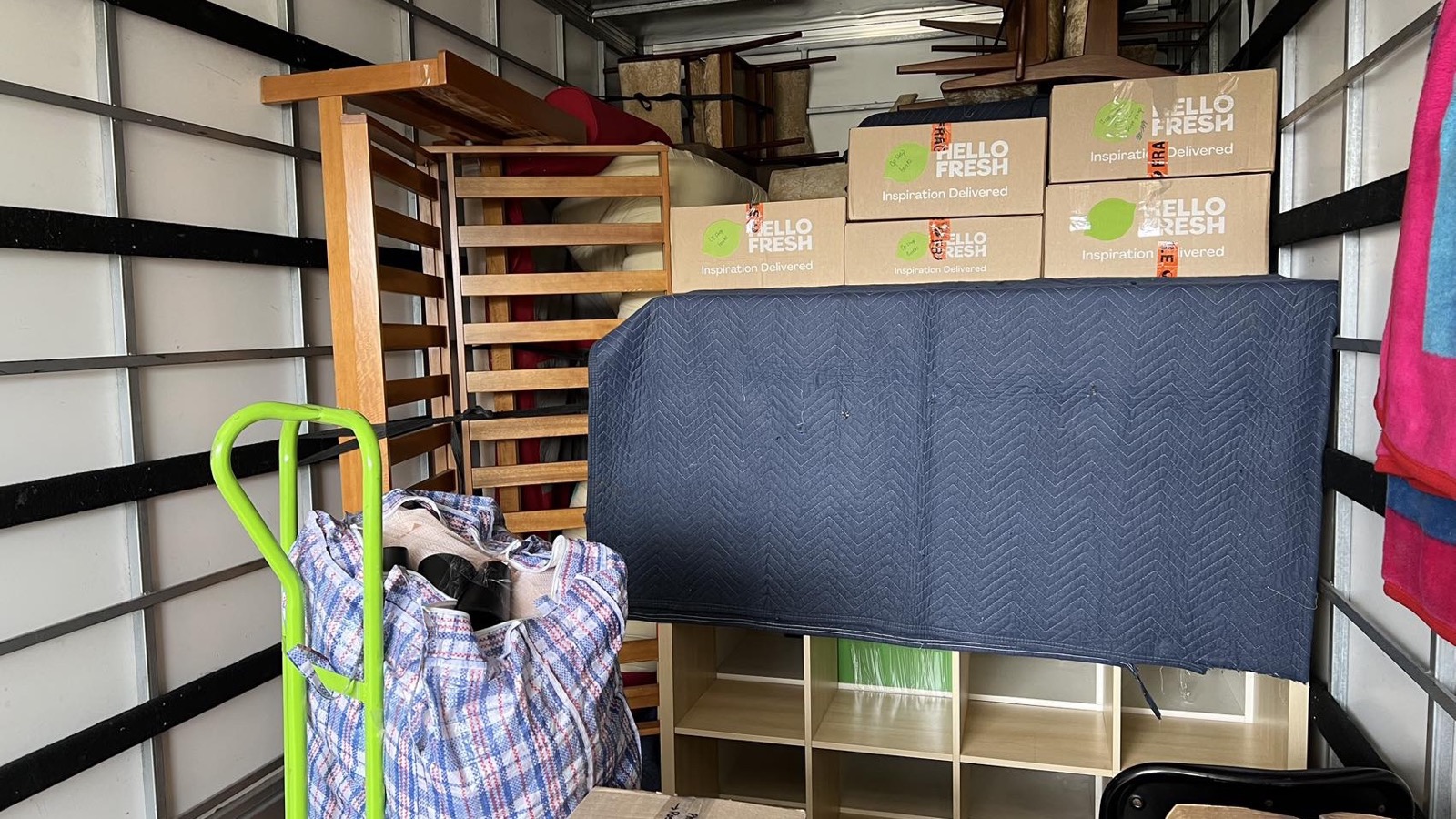
Quick answer: list every item, confirm the storage facility’s vehicle and lift access, label cartons on more than one side, separate anything you will need soon and choose the truck from the total volume rather than bedroom count alone. A 5 tonne truck commonly starts the comparison for many 1-2 bedroom units or apartments, a 10 tonne truck for many 3-4 bedroom moves and a 12 tonne truck for many 4-5 bedroom homes, subject to the real inventory and access.
Request a free storage moving quote and include the pickup suburb, storage suburb, item list, carton estimate, photos and facility access instructions.
Storage move planning at a glance
| Planning point | Information to confirm | Why it matters |
|---|---|---|
| Inventory | Furniture, appliances, cartons, garage, balcony and off-site items | Determines volume, protection needs and a practical truck option |
| Storage unit | Internal dimensions, door opening, unit level and any fixed obstructions | A unit can have enough floor area but still restrict tall or wide pieces |
| Facility access | Opening hours, loading position, lift, trolley route, height limit and access code | Prevents arrival delays and reveals the real carrying distance |
| Protection | Wrapping, clean and dry condition, dismantling and manufacturer guidance | Transport preparation and longer storage preparation are not identical |
| Retrieval order | Items needed first, archive cartons and long-term furniture | Controls how the truck and unit should be loaded |
Why a move into storage needs a different plan
In a normal house move, furniture can be carried into separate rooms and unpacked over time. A storage unit is one defined space. Every item competes for the same floor area, wall space and access path, so a poor loading order can leave an important carton behind a wall of furniture.
The move also needs a handover between three spaces: the pickup property, the truck and the storage unit. A piece that fits through the home doorway may still be too wide for the unit entrance or too tall for a lift. Similarly, a truck with enough volume may be unsuitable if the facility has a low clearance or a tight loading area. Send the narrower access details before the vehicle is confirmed.
Build a complete inventory before asking for a quote
Start room by room and include items outside the main living areas. Garages, sheds, storage cages, balconies and spare rooms are common sources of missing volume. Record the main furniture, appliances, approximate carton count and anything long, heavy, fragile or awkward. Photos help show shape and scale, but they work best with a written list.
Separate the inventory into three groups: items going into storage, items going to another address and items staying behind. For a multi-stop move, label each group by destination before the crew arrives. This reduces uncertainty at loading time and helps the quote reflect every pickup and delivery rather than only the main route.
Measure pieces that cannot change shape
Measure fixed cabinets, lounges, dining tables, mattresses, appliances and long shelving. Note whether legs, shelves, doors or bed frames can be dismantled. Do not assume dismantling is appropriate for every item; check the construction and any manufacturer instructions. Send dimensions for pieces that are close to the storage door, lift or corridor limits.
Check the storage facility before moving day
Ask the facility for its current access instructions rather than relying on a previous visit. Confirm the opening window, sign-in process, loading area, vehicle height or length limits, lift availability, trolley rules and distance from the truck position to the unit. If a lift or loading bay must be booked, reserve a suitable window and give the removalist the details.
Also inspect the unit itself. Keep the unit number and entry instructions with your booking details. Measure the internal space and door opening, and note pillars, sloping ceilings, fire equipment or other features that reduce usable space. Ask the facility which items are prohibited and whether it has packaging, ventilation or clearance requirements.
Plan for the longer carrying route
A unit close to a roller door is different from an upper-level unit reached through several corridors. Trolley distance, lift cycles, ramps and door access can influence working time even when the suburb route is short. Photos of the loading area and route to the unit are useful for planning.
Prepare furniture for storage, not only for transport
Furniture should be clean and dry before it is wrapped or placed in the unit. Trapping moisture or dirt under a covering can create avoidable problems during a longer stay. Follow the storage facility’s advice and the furniture manufacturer’s care instructions for sensitive finishes, upholstery, timber, leather, electronics or appliances.
Moving blankets are useful during handling and transport. Longer-term storage may require a different covering or spacing plan, depending on the item and facility conditions. Avoid making airtight assumptions for materials that need ventilation. If an item has specialist preservation requirements, obtain advice suited to that material rather than relying on a general moving guide.
Dismantle only when it improves safe handling and storage
Removing table legs, bed components or detachable shelves can reduce awkward shapes and make better use of space. Put hardware in a labelled bag and attach it securely to the correct item without damaging the finish. Photograph the assembly before taking it apart and keep instructions with the item or in a digital folder.
Protect corners, glass and finished surfaces
Identify glass panels, mirrors, polished surfaces and exposed corners before loading. Use suitable protection and keep hard edges from rubbing against finished faces. Do not place loose hardware inside drawers where it can move around. Clearly mark fragile cartons and tell the crew which pieces require special positioning.
Pack and label cartons for later retrieval
Use cartons that can close securely and are suitable for the weight inside. Dense items such as books should usually be divided into manageable loads rather than packed into an oversized carton. Fill empty space appropriately so contents do not shift, while avoiding cartons so heavy that they are difficult to handle safely.
Label at least two visible sides with a short contents description, destination and priority. A label on the top disappears once cartons are stacked. A simple code such as A – retrieve first, B – household reserve and C – long-term archive can make later access much easier. Keep a private inventory on your phone or spreadsheet and avoid writing valuable or sensitive contents in detail on the outside.
For more carton preparation advice, see JD Movers’ guide to packing boxes for moving.
Decide what must remain accessible
Before the truck arrives, identify the items you expect to retrieve first. This may include seasonal clothing, business records, tools, children’s items or furniture needed for an interim property. The examples are planning prompts only; each customer should decide their own priority list.
Keep priority groups together and mark them clearly. At the unit, allow a practical route where the unit size and facility rules permit. Avoid burying priority cartons behind pieces that cannot be moved easily. The loading sequence in the truck should support the placement sequence in the unit.
Plan the loading order from the final unit layout
Work backwards from the storage unit. Items intended for the rear or long-term zone generally need to be available at the right stage of unloading, while priority items should finish near the accessible area. The exact truck order depends on the stop sequence and how the facility can be approached, so tell the crew about retrieval priorities before loading begins.
Heavier, stable pieces may provide a base when appropriate, while fragile or crushable items need protected positions. Furniture should not be used as an improvised load-bearing structure unless it is suitable for that purpose. The goal is to use the space efficiently without creating unstable stacks or blocking access unnecessarily.
Choosing a truck for a Melbourne storage move
Truck size should be based on the full item list, estimated volume, route and access at every stop. Bedroom count is useful as a first reference but can be misleading when only part of a home is going into storage or when a small apartment has a full storage cage. Use the cubic metre guide to understand volume, then provide the real inventory for confirmation.
| Truck option | Common planning range | Storage-specific check |
|---|---|---|
| 5 tonne | Many 1-2 bedroom units or apartments, selected furniture and compact storage loads | Include every carton and storage-cage item; compare the risk of a second trip |
| 10 tonne | Many prepared 3-4 bedroom moves and moderate home-to-storage inventories | Confirm facility access, complete furniture volume and whether another pickup is included |
| 12 tonne | Many 4-5 bedroom homes, larger inventories and substantial multi-stop work | Check legal parking, turning room, gate width and height limits before relying on capacity |
These ranges are guidance, not a promise that a particular property will fit. See the detailed Melbourne moving truck size guide for a broader comparison of vehicle capacity, access and trip count.
Plan each pickup and delivery separately
For each stop, record the pickup or delivery, item group, access window and on-site contact. Agree on the route before loading begins, because a change in stop order can also change which items need to be accessible in the truck. The following planning patterns highlight details to include in the quote request.
Home to storage
Separate the furniture going into storage from anything staying at home or travelling with you. Give the removalist both the home access details and the facility restrictions. Confirm when the unit will be available, who will provide entry and which cartons need to remain near the accessible area after unloading.
Home and storage pickups to one destination
Provide a separate inventory for the home and the storage unit, then a combined total for the quote. Label each group by its final room or destination. Confirm that the storage access window fits the pickup sequence and that keys, gate instructions and any lift booking will be available when the truck arrives.
A smaller local storage move
A short road journey does not remove the need for a complete item list. Include cartons, garage items and anything already stored off-site, even when only selected furniture is moving. Compare the proposed truck against the combined load and the facility access; do not choose a smaller vehicle solely because the suburbs are close together.
Short-term and longer-term storage planning
For short-term storage, retrieval order may be the main concern. Keep immediate-use items identifiable and avoid mixing them with long-term cartons. For a longer stay, preparation becomes more important: clean and dry items, use materials suitable for the item and facility, keep an inventory and follow any inspection or access recommendations from the storage provider.
Do not use a moving article as the final authority on what can be stored. Facilities can have different rules for food, plants, liquids, fuels, chemicals, batteries, gas cylinders, hazardous goods and other restricted items. Check the current agreement directly and remove anything the facility will not accept before moving day.
Common storage-moving mistakes
Choosing a unit or truck from bedroom count alone
A partially furnished four-bedroom home may have less volume than a packed two-bedroom apartment with a garage. Use a complete inventory and measurements for both the vehicle and storage unit.
Forgetting the facility access route
Opening hours, lift bookings, height limits and trolley distance can matter as much as the road journey. Confirm them before the quote is finalised.
Labelling only the top of cartons
Top labels disappear in a stack. Put a concise label on more than one side and maintain a separate private inventory.
Wrapping items before they are clean and dry
Transport protection does not correct existing moisture or dirt. Prepare items first and use coverings suited to the material and intended storage period.
Loading without a retrieval plan
If priority items are not identified in advance, they may end up behind furniture or long-term cartons. Decide the access order before the truck is loaded.
Information to send for a storage moving quote
- Pickup, storage and any additional stop suburbs.
- Preferred date and the facility access window.
- A room-by-room list of furniture, appliances and cartons.
- Garage, shed, balcony, storage-cage and off-site items.
- Photos and dimensions of large, fragile, heavy or awkward pieces.
- Stairs, lifts, corridors, door widths and carrying distance at each stop.
- Truck parking, driveway, gate and facility height restrictions.
- Furniture that may need suitable dismantling or reassembly.
- Items that must remain accessible after storage delivery.
- Any facility forms, booking instructions or prohibited-item rules.
Trust proof from a Melbourne customer
A JD Movers Google reviewer said their items were “stacked properly and safely”. For storage work, that principle begins with an accurate inventory and continues through protection, stable truck loading and a deliberate unit layout. The objective is not merely to fit items into a space, but to keep the plan organised from pickup to later retrieval.
Related Melbourne service areas
Useful moving guides
- Moving truck size guide Melbourne
- What is a cubic metre for moving?
- How to pack moving boxes
- Moving house checklist Melbourne
- Melbourne removalist prices
- JD Movers removal services
- Request a free moving quote
Plan your Melbourne move into storage
Send JD Movers the complete inventory, storage facility instructions, access photos, retrieval priorities and preferred date. The team can compare the practical truck and crew requirements across every stop without assuming that bedroom count alone describes the load.
Get a free quote for moving furniture into storage in Melbourne.
Moving furniture into storage FAQ
How should I prepare furniture before moving it into storage?
Clean and dry each item, identify fragile surfaces, decide whether suitable dismantling is needed and use protection appropriate to the material, transport and intended storage period. Follow facility and manufacturer guidance for sensitive items.
What truck size is suitable for a storage move?
A 5 tonne truck commonly starts the comparison for many 1-2 bedroom units or compact loads, 10 tonnes for many prepared 3-4 bedroom moves and 12 tonnes for many 4-5 bedroom homes or larger inventories. The actual list, access and stop sequence decide the recommendation.
Can removalists collect from both a home and a storage unit?
Multi-stop work can be planned when every stop, inventory and access condition is provided in advance. Label groups by pickup and destination so the loading order supports the route.
How do I keep important cartons accessible in storage?
Mark priority cartons on more than one side, keep a private inventory and tell the crew which groups need to finish near the accessible area. The final layout remains subject to unit size and facility rules.
Should I choose the largest truck to avoid a second trip?
Not automatically. A larger truck still needs lawful parking, turning room and suitable facility clearance. Compare usable capacity, access and the complete route rather than vehicle size alone.
What details help produce a more useful storage moving quote?
Provide all suburbs and stops, a full item and carton list, photos and measurements, stairs or lift details, truck parking, facility access hours, height limits and anything that must remain easy to retrieve.