
Moving House With Plants in Melbourne: Pot Plant Checklist
List your pot plants before booking the move. Send photos, pot dimensions, overall plant height and access details so the handling and truck-space requirements can be assessed alongside your furniture. Confirm which plants can be accepted for your route; do not treat them as extra boxes to add when the truck arrives.
This is a general guide for moving household pot plants and outdoor items in Melbourne. It is not a report of a completed plant-moving job. Established garden trees, very large planters and delicate specimens may need a different plan or specialist advice.
Get a free moving quote from JD Movers with the full indoor and outdoor inventory. Explain any plants you plan to carry separately, so the agreed load is clear.
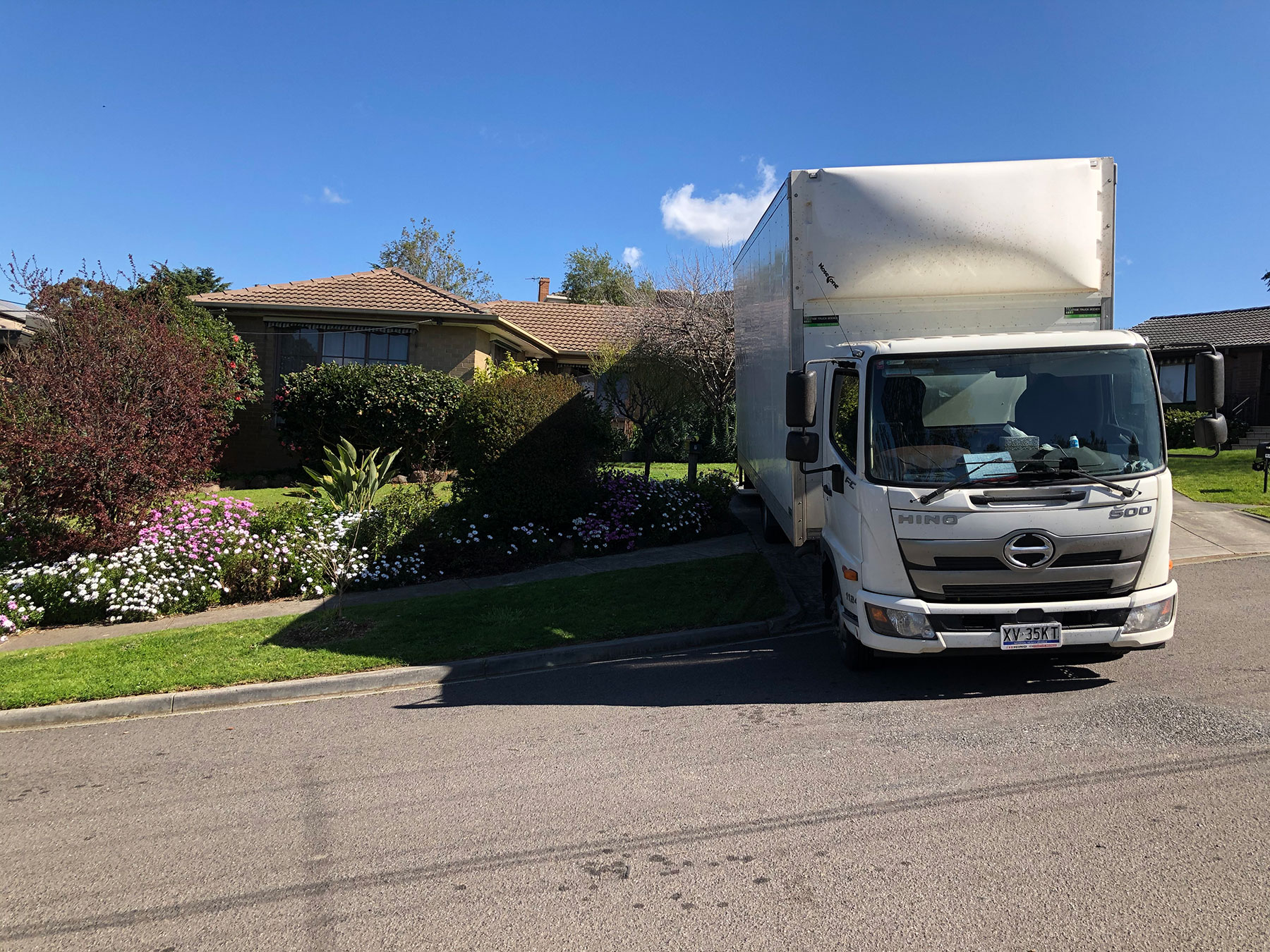
Build a plant inventory for the moving quote
Count plants separately from boxes and outdoor furniture. A tall plant in a light plastic pot and a compact plant in a concrete planter can need very different handling. Include the container and soil, not just the visible foliage, when describing each item.
| Detail to record | What to send | Why it helps |
|---|---|---|
| Number and size | Count the pots; give pot width, overall height and the width of spreading foliage. | Shows how much space is needed without assuming plants can be stacked. |
| Container and condition | Identify plastic, terracotta, ceramic, concrete or other materials; photograph cracks, loose bases or attached stands. | Highlights fragile or unstable items before a handling plan is agreed. |
| Weight and shape | Provide a known weight if available, and flag large soil-filled pots, top-heavy plants, spines or awkward shapes. Do not lift a pot just to estimate its weight. | Helps assess the crew and equipment needed. |
| Pickup and delivery route | Photograph side gates, steps, sloping paths, narrow turns, lift entrances and the distance to parking at both homes. | Shows whether the proposed route is practical. |
| Plant details | Identify species where known, delicate specimens, care needs and any movement conditions already confirmed. | Flags questions that need resolving before transport. |
The truck recommendation should reflect the complete load and access, not a bedroom count alone. Plants may need separate floor space and cannot be treated as spare capacity above furniture. Our moving truck size guide explains the wider inventory and access checks.
Prepare pots, saucers and loose garden items
First decide which plants you are taking and confirm that you are entitled to remove them from the property. Do not assume a planted garden, fixed planter or a plant supplied with a rental is part of your movable belongings. Agree any uncertain items with the relevant property contact before packing.
- Check the container: photograph damage and tell JD Movers about loose or cracked pots. Do not rely on damaged handles or rims for lifting.
- Separate loose items: remove detachable saucers, decorations and stands where appropriate, and label them to match the plant.
- Small pots: discuss suitable upright packing with the moving team. Keep the pot supported and foliage clear of crushing; do not seal plants into ordinary packed cartons.
- Fragile growth: flag branches, trailing stems or delicate leaves before the move. Ask a nursery or horticulturist before pruning, repotting or changing the plant solely for transport.
- Other garden goods: list tools, soil bags, fertilisers, pesticides, fuel and gas cylinders separately. Confirm what is accepted and how it must be prepared; do not hide these among the plant pots.
Keep the agreed plant group identifiable so helpers do not load plants that are staying or pack loose accessories into unrelated furniture boxes. Use clear destination labels, as described in our packing and labelling guide.
Plan heavy pots around the access route
For a large planter, the difficult part may be the side gate, a sloping garden path or the steps at the destination. Leave heavy pots in place for assessment rather than attempting to drag them closer to the truck yourself. Share measurements and photos, including anything the pictures do not show clearly.
WorkSafe Victoria’s trolley guidance notes that moving heavy or awkward items with a trolley also involves risks. The load, path and equipment need to be assessed together. A trolley is not an automatic solution for stairs, soft ground or a damaged pot.
- Confirm gate width, overhead clearance, tight turns and the final position for each large pot.
- Clear hoses, tools and other obstacles from the agreed route without moving heavy items yourself.
- Tell the team about gravel, soft ground, wet surfaces, steep sections or steps at either address.
- Ask whether the item can be moved within the quoted scope, whether another method is needed, or whether it should remain in place.
For the truck’s stopping point and carrying distance, use our parking and loading access guide. Do not choose a truck solely because a previous move used that size.
Plan watering and care for the actual plants
There is no single watering cutoff that suits every plant. Keep care appropriate to the species, growing medium, weather and journey, and ask your nursery about delicate or valuable specimens. Do not deliberately dry out a plant just to make its pot lighter.
The RHS container-growing guide explains that container plants need attention to watering and drainage. For moving preparation, avoid carrying loose water in saucers and allow normal drainage after watering. Discuss any pot that is still leaking before it goes near household furniture.
Agree how long plants are expected to remain packed and where they will be placed on arrival. If you want to transport a delicate plant yourself, confirm that you can secure it safely without obstructing the driver or vehicle controls. A normal furniture-moving plan is not a promise of temperature-controlled transport or plant survival.
Check plant-movement restrictions before booking
Agriculture Victoria’s traveller guidance explains that restrictions can apply to plants, soil and related materials entering Victoria, leaving for another state, or moving between certain areas within Victoria. A household pot plant is not automatically exempt because it is travelling with furniture.
Check the exact origin, destination, plant type and associated soil or equipment with Agriculture Victoria or the destination state’s authority. Ask whether any inspection, treatment, certification or prohibition applies before agreeing transport. Keep any required documentation available for the move.
If a plant appears unwell or you suspect an unusual pest, seek appropriate advice before moving or giving it away. This guide does not confirm that a particular plant can cross a regulated boundary, and a moving quote is not biosecurity clearance.
Agree the loading order and arrival area
Show the crew the accepted plant inventory before loading starts. Agree which plants travel with the household load and which stay with you. The loading plan should account for upright positioning, protection from other items and access to plants when unloading; do not prescribe a fixed loading order without checking the whole load.
- At pickup: identify plants, matching accessories and any items excluded from the move. Keep the furniture route clear.
- Before departure: check that the agreed items are accounted for and that nothing intended to stay has been packed.
- At delivery: direct plants to the agreed, suitable holding area rather than blocking doorways, corridors or the path of furniture.
- After unloading: check the pots and plants, remove transport protection when appropriate, and resume species-appropriate care. Ask a nursery about any signs of stress or damage rather than applying the same treatment to every plant.
For the rest of the household, follow our moving house checklist and Melbourne house-moving guide.
Request a quote for a home move with plants
Send the pickup and delivery suburbs, date, household inventory, plant list and photos of both access routes. State any fragile or unusually heavy pots and any plants you intend to move separately. Confirm acceptance, packing responsibilities and any plant-specific conditions before booking.
Get a free moving quote from JD Movers, or contact JD Movers about your plant list. You can also review our removal services.
For local access preparation, see Glen Waverley removalists and Ferntree Gully removalists. These location guides are separate from this general pot-plant checklist.
FAQs about moving house with plants in Melbourne
Can removalists move pot plants?
Many household pots may be suitable, but confirm each plant group before booking. Size, container condition, access, journey and any movement restrictions can affect acceptance and the handling plan.
Should I stop watering plants before moving?
Do not use a fixed no-watering period for every plant. Follow species-appropriate care, allow normal drainage and ask a nursery about sensitive specimens. Tell the moving team about pots that are leaking or unusually heavy.
Can I move pot plants interstate?
Check the current rules for the exact route and plants first. Plants and soil may be restricted, including between some areas within Victoria. Obtain advice from the relevant biosecurity authority before arranging transport.
What should I do with a large concrete or ceramic planter?
Send photos, dimensions, known weight and access details for assessment. Flag cracks or loose parts. Do not try to drag or lift it yourself merely to prepare for the move.
Does a larger truck automatically make plants easier to move?
No. The load, non-stackable space, pot condition, handling equipment and access route all matter. Ask for a vehicle and crew recommendation based on the complete inventory.
Should delicate plants travel with me?
Discuss that option before booking. It may suit some small or sensitive plants if they can be secured safely, but it does not remove movement restrictions or guarantee their condition on arrival.