
Moving With Pets Melbourne | Thomastown Route Planning Guide
Moving with pets in Melbourne needs a separate safety plan for noise, open doors and changed routines. An anonymised June 2026 calendar record confirms a Thomastown-to-Mill Park move using two movers and a 10 tonne truck. The record does not list a pet, so the animal-safety guidance is conditional for customers whose households include one.
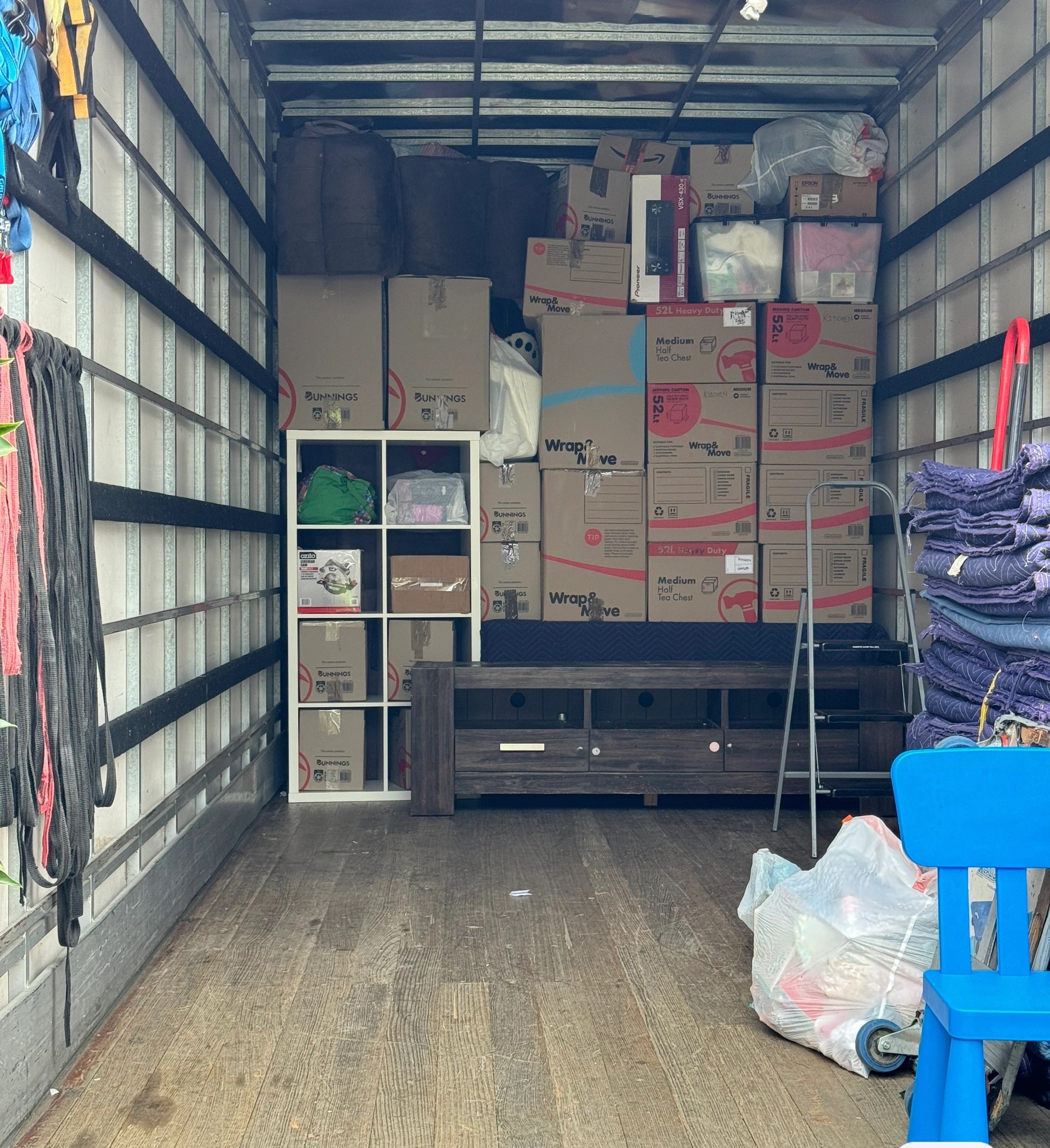
The verified route supplies a real 10 tonne capacity example. A 10 tonne truck often suits prepared 3-4 bedroom moves, while a larger inventory may require 12 tonnes; neither the bedroom count nor pet equipment is inferred from this booking.
Best fit for this guide: Thomastown, Mill Park, Lalor, Bundoora, Reservoir, Epping, South Morang and nearby northern suburbs customers who need a pet-friendly moving plan alongside normal furniture, boxes, appliances and access planning.
Request a free moving quote if you want JD Movers to check your suburb route, access, item list and truck-size plan before moving day.
Who this moving with pets guide helps
This article is for households with cats, dogs, rabbits, birds or other indoor pets that may be unsettled by moving day. It is especially useful when the move involves a busy pickup, a new delivery home, young children, multiple entrances, stairs or a garage full of boxes.
Removalists do not transport pets in the truck. The purpose of this guide is to help customers plan the furniture and box move around the pet routine, so pets stay safe while the team can load the 10 tonne or 12 tonne truck efficiently.
Verified route and pet-planning scope
| Case detail | Planning note |
|---|---|
| Pickup suburb | Thomastown area |
| Delivery suburb | Mill Park area |
| Truck planning | Verified two-mover, 10 tonne Thomastown-to-Mill Park route |
| Typical home size | Often suitable for a well-packed 3-4 bedroom home |
| When to consider 12 tonne | 4-5 bedroom homes, large outdoor items, garage overflow, bulky pet furniture or multiple heavy pieces |
| Main risk | Conditional pet risk: stress, open doors and essential items packed too deeply |
Why pets need a separate moving-day plan
On moving day, doors may stay open, the truck ramp may be down, trolleys may move through hallways and the home can feel unfamiliar even before the furniture leaves. A pet that is normally calm may hide, bark, scratch, refuse food or run toward an open gate.
The solution is not complicated, but it must be planned before the truck arrives. Pets should have a quiet room, carrier, water, food, familiar bedding and a clear travel plan. At the same time, the removalists need a safe path for large furniture, boxes and appliances.
Before moving day: keep the pet routine steady
Try to keep feeding, walking and sleeping routines as normal as possible before the move. Pack non-essential rooms first and leave the pet’s familiar items until later. Sudden changes across the whole home can make animals anxious before the removalists even arrive.
If the pet is staying with a friend, family member, daycare or boarding service during the move, confirm that arrangement early. If the pet is staying at the home during loading, choose one quiet room that will not be used as the main access path.
Moving-day room setup for pets
A simple pet room can make the whole move calmer. Choose a room away from the front door, driveway, truck ramp and main furniture path. Put the pet’s bed, water, food, carrier and a small number of familiar items inside. Add a clear note on the door so nobody opens it by accident.
This is especially important for Thomastown to Mill Park style moves where the route may be short enough that customers want to move quickly. Short local moves still involve open doors and active loading, so the pet plan matters even when the distance is not long.
How a 10 tonne move affects pets
A 10 tonne truck can suit many prepared 3-4 bedroom moves, but it still involves a full loading sequence. Boxes, mattresses, furniture, appliances and fragile items need to be stacked in a safe order. Pets should not be loose around the truck, ramp, trolleys or straps.
For pet households, the best approach is to separate pet essentials from the main load. Keep food, medication, leads, litter, bedding, bowls, cleaning items and the travel carrier accessible. Do not pack those items deep inside the truck under general cartons.
When a 12 tonne truck may be better
A 12 tonne truck can be better for larger 4-5 bedroom homes or homes with a lot of extra pet-related furniture and outdoor items. Examples include large kennels, cat towers, aquariums, bird cages, outdoor enclosures, garage shelving, extra bedding, bulky toys and multiple storage tubs.
The goal is not to choose the biggest truck automatically. The goal is to match the truck to the real volume so the load is stable and the crew does not need to rush or split the job into inefficient trips.
Packing tips for pet households
Pet households often have more loose items than they realise: food bags, washable bedding, grooming tools, litter trays, toys, leads, cleaning sprays and outdoor equipment. These items should not be thrown into random boxes at the last minute.
| Pet item | Recommended packing method | Why it helps |
|---|---|---|
| Food and medication | Keep with the customer, not deep in the moving truck | Prevents stress if unpacking takes longer |
| Bedding and familiar items | Pack last and unpack first | Helps the pet settle at the new home |
| Leads, harnesses and carriers | Keep near the pet room or customer vehicle | Reduces escape risk during loading |
| Litter trays and cleaning items | Pack separately in a leak-safe container | Keeps the main boxes clean and organised |
| Bulky pet furniture | Photograph and include in the moving quote | Helps JD Movers choose 10 tonne vs 12 tonne capacity |
Access and parking also matter
Pet safety and truck access are connected. If the truck has to park far away, doors stay open for longer and the team spends more time moving through the property. If the truck can park close to the loading point, the job is usually calmer and easier to control.
Before moving day, check driveway access, street parking, gates, stairs and whether the pet room is away from the main path. If you are moving from a townhouse, unit or apartment, also check shared access and neighbours’ driveways.
At the new home in Mill Park
When the truck arrives at the new home, set up one room for the pet before the main unpacking begins. Place bedding, bowls, food, litter or familiar items there first. This gives the pet a secure place while furniture is being carried through the rest of the home.
If the new property has side gates, low fences, balcony areas or unfamiliar outdoor spaces, inspect them before letting the pet explore. A move is stressful, and even a normally well-trained pet may behave differently in a new environment.
Trust proof from Melbourne customers
JD Movers focuses on organised loading, careful handling and practical moving-day communication. One Google 5-star reviewer said their items were “stacked properly and safely”. For pet households, that matters because a stable load and clear room-by-room delivery reduce noise, repeated handling and confusion at the new home.
Good preparation helps the team work efficiently while customers focus on children, pets, keys and settling into the new property.
Checklist before moving with pets
- Choose whether the pet stays home, travels with you or stays with someone else during loading.
- Set up a quiet pet room away from the main access path.
- Keep food, medication, leads, carrier and bedding separate.
- Send photos of bulky pet furniture or outdoor equipment before the quote.
- Confirm whether your home is closer to a 3-4 bedroom 10 tonne move or a larger 4-5 bedroom 12 tonne move.
- Check gates, fences, balcony areas and garage access at the new home.
- Unpack pet essentials before opening the rest of the boxes.
Related JD Movers service areas
This real moving case is connected to local suburb pages where JD Movers explains access, truck size planning and quote details for similar Melbourne moves.
Customers often mention that items are “stacked properly and safely”. Use the related suburb pages together with this case to plan the right 5, 10 or 12 tonne truck before moving day.
5, 10 and 12 tonne truck planning
JD Movers does not choose a truck by suburb name alone. We compare the property type, bedroom count, box estimate, lift or stair access, parking distance, bulky furniture and whether the job is a full home move, apartment move, office move or selected-item move.
| Truck option | Best fit | Planning note |
|---|---|---|
| 5 tonne truck | 1-2 bedroom units or apartments, small item lists, student moves, compact access or partial furniture moves. | A 5 tonne truck is useful when the load is smaller and parking or apartment access is tighter. |
| 10 tonne truck | 3-4 bedroom apartments, units, townhouses or prepared smaller homes with boxes, beds, lounges and whitegoods. | A 10 tonne truck gives more capacity for a normal household load while still being practical for many Melbourne streets. |
| 12 tonne truck | 4-5 bedroom homes, larger family moves, garage items, outdoor furniture, heavy pieces or commercial stock. | A 12 tonne truck is better when volume, bulky furniture or loading separation matters more than compact access. |
For a more accurate quote, send the pickup and delivery suburbs, property type, bedroom count, box estimate, stairs or lift details, parking notes and photos of large or fragile items.
Useful links for planning a pet-friendly move
- Moving house checklist Melbourne
- How to pack boxes for moving house
- Apartment moving checklist Melbourne
- How to reserve parking for removalist trucks
- JD Movers removal services
- Get a free moving quote
Get a pet-friendly moving quote
If you are moving from Thomastown to Mill Park, Lalor, Bundoora, Reservoir, Epping, South Morang or another Melbourne suburb, send JD Movers your pickup suburb, delivery suburb, moving date, item list, access photos and any bulky pet-related items. We can help decide whether a 10 tonne truck suits your 3-4 bedroom move or whether a 12 tonne truck is more suitable for a larger 4-5 bedroom household.
Request a free moving quote from JD Movers.
FAQ: moving with pets in Melbourne
Should pets stay home during the move?
If possible, many customers keep pets with a friend, family member or daycare during loading. If the pet stays home, use a quiet room away from the main moving path.
Should I tell the movers I have pets?
Yes. Tell JD Movers if pets are staying at the property, especially if doors or gates need to remain closed during loading.
What should I unpack first for pets?
Unpack bedding, food, bowls, litter, medication, leads and familiar items first. This helps the pet settle while the rest of the home is still being arranged.
Can pets travel in the moving truck?
No. Pets should travel with the customer or through a proper pet transport plan. The moving truck is for furniture, boxes and household goods.
Does truck size matter for pet households?
Yes. A 10 tonne truck can suit many 3-4 bedroom homes, while a 12 tonne truck may be better for larger 4-5 bedroom homes with extra pet furniture, outdoor items or garage storage.