
DIY Moving vs Removalists in Melbourne: Compare Cost, Time and Access
Compare the whole move, not just the vehicle hire or hourly rate. DIY can suit a manageable load when you have suitable transport, capable help, straightforward access and enough time. Removalists may be more practical when the items, access or deadline need equipment and handling experience you do not have.
Use the same item list, pickup and delivery access, dates and required tasks for both options. Neither approach is automatically cheaper or quicker: trip count, preparation, hire conditions and the agreed removalist scope can change the comparison.
Request a free moving quote from JD Movers if you want to compare a DIY plan with a professional 10 tonne or 12 tonne truck setup. Send the route, bedroom count, box estimate, major furniture list and access photos so we can recommend the right option.
DIY vs removalists: six checks before you decide
| Compare | What to check for each option |
|---|---|
| Total cost | DIY: vehicle hire, fuel, any tolls or parking, equipment and packing materials. Removalists: charging basis, minimum booking, travel or call-out charges and applicable extras. Compare the same tasks and item list. |
| Vehicle and trips | DIY: usable space, load limits, hire conditions and expected trips. Removalists: proposed vehicle and crew, inventory assumptions, and how an extra trip or stop would be handled. |
| Time | DIY: collection and return of the hire vehicle, loading, securing, travel, unloading and breaks. Removalists: arrival window, estimated duration, charging start and finish, and what preparation you must complete. |
| Access | For either option, check parking, vehicle clearance, stairs, tight turns, lifts, carrying distance and building access windows at both addresses. |
| Handling and equipment | DIY: assess the items against the experience, equipment and help available. Removalists: disclose heavy, awkward or fragile pieces and confirm any handling or access limitations before booking. |
| Responsibilities | Agree who packs, dismantles, prepares appliances, arranges access and places items at delivery. Check the relevant hire or booking terms; do not assume optional work is included. |
For the removalist side of your comparison, use the guide to comparing removalist quotes. Keep refundable deposits separate from the costs you expect to pay, while allowing for the money required upfront.
When DIY moving can work
DIY moving can be practical for a small, manageable item list, such as a few cartons or selected lightweight items. Check that the vehicle, equipment, available help and access are suitable for the actual load, and that you can meet the hire provider’s conditions.
Assess the most difficult item and carrying route, not just the number of bedrooms. If safe handling is uncertain or the plan depends on rushed lifting, unsuitable equipment or too little time, get the move assessed before committing to DIY.
Where DIY moves become difficult
The difficult part is usually not one single item. It is the combination of many small problems: a fridge that needs to stay upright, a mattress that needs protection, boxes that are too heavy, a sofa that turns badly through a hallway, a washing machine that needs careful handling, and a destination that is further away than expected.
A vehicle that is too small can require repeated loading and return trips. A larger vehicle is useful only if it suits the declared inventory and access. Ask how the proposed capacity was assessed instead of assuming that a truck size guarantees a one-trip move.
Match the vehicle to the inventory and access
The 5, 10 and 12 tonne overview below gives general planning examples, not guaranteed bedroom capacities. Compare usable space, load limits, large-item dimensions and access; a smaller DIY vehicle may be sufficient for a limited load, while a fuller household move needs a more detailed assessment.
Use the Melbourne moving truck size guide to prepare an inventory and access notes. Ask what happens if the actual load requires another trip.
Plan loading and protection for either option
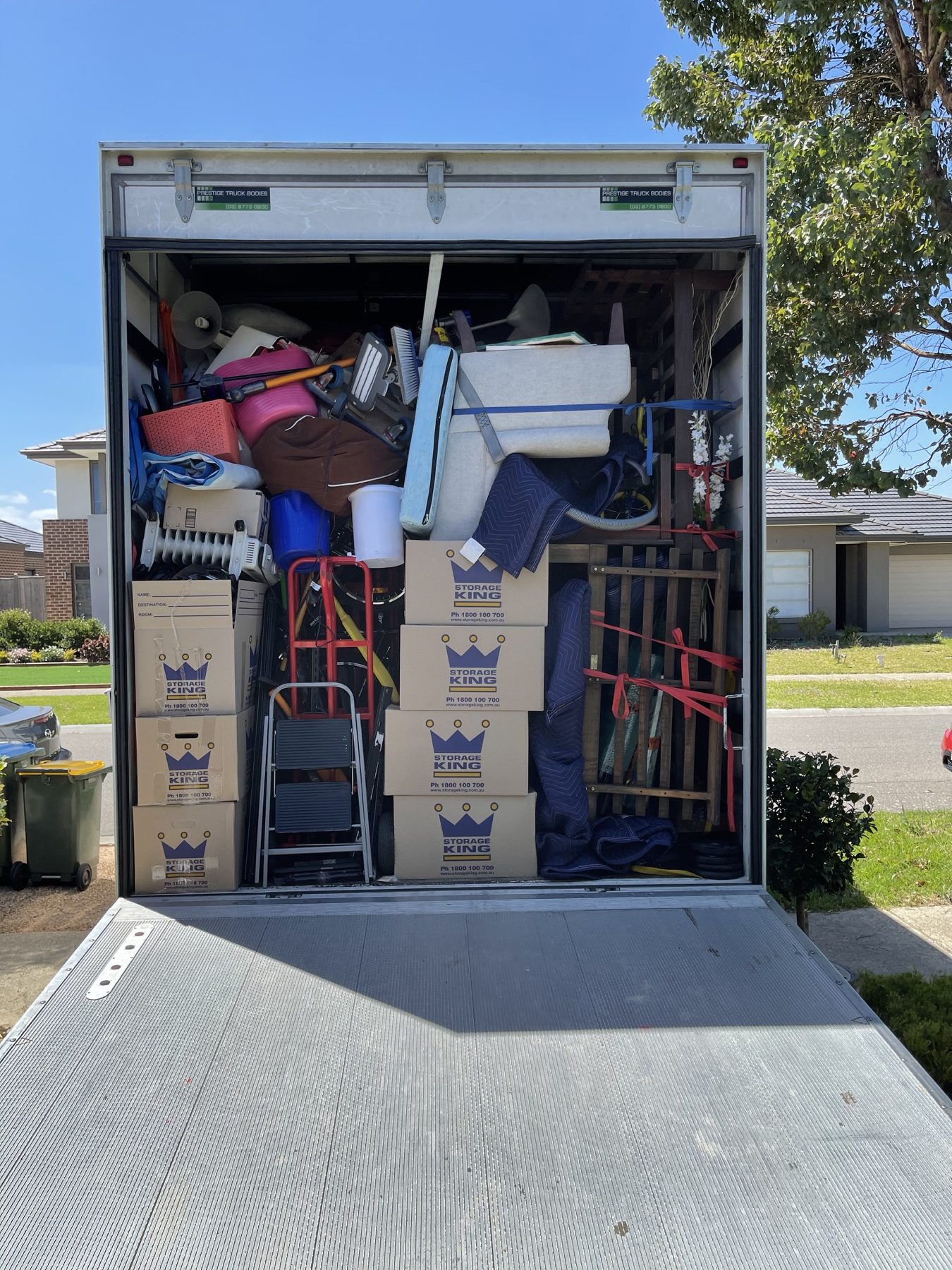
Loading is not only about fitting everything inside. Heavy items need to sit low and stable. Fragile pieces need separation. Mattresses, boxes, whitegoods and furniture need to be positioned so they do not rub, fall or crush each other. A poorly loaded vehicle can damage furniture even when the driving distance is not long.
Professional removalists load in a sequence. The team thinks about what should go in first, what needs protection, which items need to be kept upright, and what should come out first at delivery. That planning is difficult to copy when helpers are tired or when the vehicle is already half full.
Heavy and awkward items
DIY moves often become stressful when the first heavy item appears: a fridge, washing machine, sofa, tallboy, dining table, cabinet, desk or heavy mattress. These items are not only heavy; they are awkward. The risk is higher around doorways, stairs, tight corners, sloped driveways and wet weather.
Experienced movers are used to lifting in pairs, communicating during turns and protecting both the item and the property. That is why a professional team can be useful even when the move looks simple from the outside.
Time and trip count
Many DIY plans assume one or two quick trips. In reality, each trip includes loading, securing, driving, unloading and returning. If the vehicle is too small, the day stretches. If access is slower than expected, the time saving disappears. If helpers need breaks, the final unload can become rushed.
Write down the time needed for each trip, including any empty return journey and vehicle return deadline. Compare that plan with the removalist estimate and its assumptions. Saving time does not necessarily reduce a fixed charge or a minimum booking.
Route and access planning
Check both addresses before choosing a vehicle: approach width, parking position, height clearance, gradients, steps, lift bookings and the carrying route. Use measurements and photos where useful; suburb names alone do not establish the access conditions.
Include these notes in either plan. If you request a removalist quote, share the restrictions before booking so the team can assess the vehicle position, handling requirements and delivery order. Confirm any changed access before moving day.
Damage risk and furniture protection
Choose protection for the items being moved rather than relying on whatever materials are available at the last minute. Check whether the required blankets, straps, trolleys and packing materials are included with the hire or moving service, and confirm any additional cost. Having equipment available is not a substitute for knowing how to use it safely.
JD Movers plans furniture protection, moving blankets, trolley use and loading order around the actual items. This is especially important when furniture needs to travel through multiple doorways or into a home with tighter access.
Questions to ask before choosing DIY
- How many trips will the DIY vehicle really need?
- Can the helpers safely lift the heaviest items?
- Are there stairs, long carry distances or tight turns?
- Do you have enough blankets, straps and equipment?
- Will the fridge, washing machine, mattresses and fragile items travel safely?
- Will you still have enough energy for the final unload?
- Would a 10 tonne or 12 tonne truck reduce the risk and trip count?
Use reviews alongside the written quote
Read the JD Movers customer testimonials for experiences of communication and handling. They can help you decide what to ask, but do not prove that a particular vehicle, price or result applies to your move. Confirm the work and charging terms in your own quote.
5, 10 and 12 tonne truck planning
JD Movers does not choose a truck by suburb name alone. We compare the property type, bedroom count, box estimate, lift or stair access, parking distance, bulky furniture and whether the job is a full home move, apartment move, office move or selected-item move.
| Truck option | Best fit | Planning note |
|---|---|---|
| 5 tonne truck | 1-2 bedroom units or apartments, small item lists, student moves, compact access or partial furniture moves. | A 5 tonne truck is useful when the load is smaller and parking or apartment access is tighter. |
| 10 tonne truck | 3-4 bedroom apartments, units, townhouses or prepared smaller homes with boxes, beds, lounges and whitegoods. | A 10 tonne truck gives more capacity for a normal household load while still being practical for many Melbourne streets. |
| 12 tonne truck | 4-5 bedroom homes, larger family moves, garage items, outdoor furniture, heavy pieces or commercial stock. | A 12 tonne truck is better when volume, bulky furniture or loading separation matters more than compact access. |
For a more accurate quote, send the pickup and delivery suburbs, property type, bedroom count, box estimate, stairs or lift details, parking notes and photos of large or fragile items.
Useful links for comparing your options
- Melbourne removal services
- Furniture removals Melbourne
- How to choose professional removalists Melbourne
- Moving house checklist Melbourne
- How to pack boxes for moving house
- Request a free moving quote
- Dandenong North removalists
- Upper Ferntree Gully removalists
- Ferntree Gully removalists
Common questions about DIY moving vs removalists
Is DIY moving always cheaper?
No option is always cheaper. Compare vehicle hire, fuel, equipment, expected trips and your available time with a removalist quote for the same inventory and tasks. Check minimum bookings, applicable extras and how changes are charged.
When should I choose a 10 tonne truck?
Consider a 10 tonne option only after the item list, box estimate, large-item dimensions and access have been assessed. Bedroom ranges are general examples, not a guarantee that the load will fit or that only one trip will be needed.
When is a 12 tonne truck better?
A 12 tonne option may be suitable when the assessed load needs more capacity and both addresses allow access. Compare the proposed crew, vehicle and total trip assumptions; a larger truck is not automatically the cheaper or more suitable choice.
Can JD Movers help me compare options?
Send the pickup and delivery suburbs, inventory, box estimate, large-item dimensions and access photos. JD Movers can assess a removalist option, which you can compare with your own DIY vehicle, time and equipment plan.
How do I get a quote?
Use the JD Movers quote form with your pickup suburb, delivery suburb, access notes and photos of larger items.