
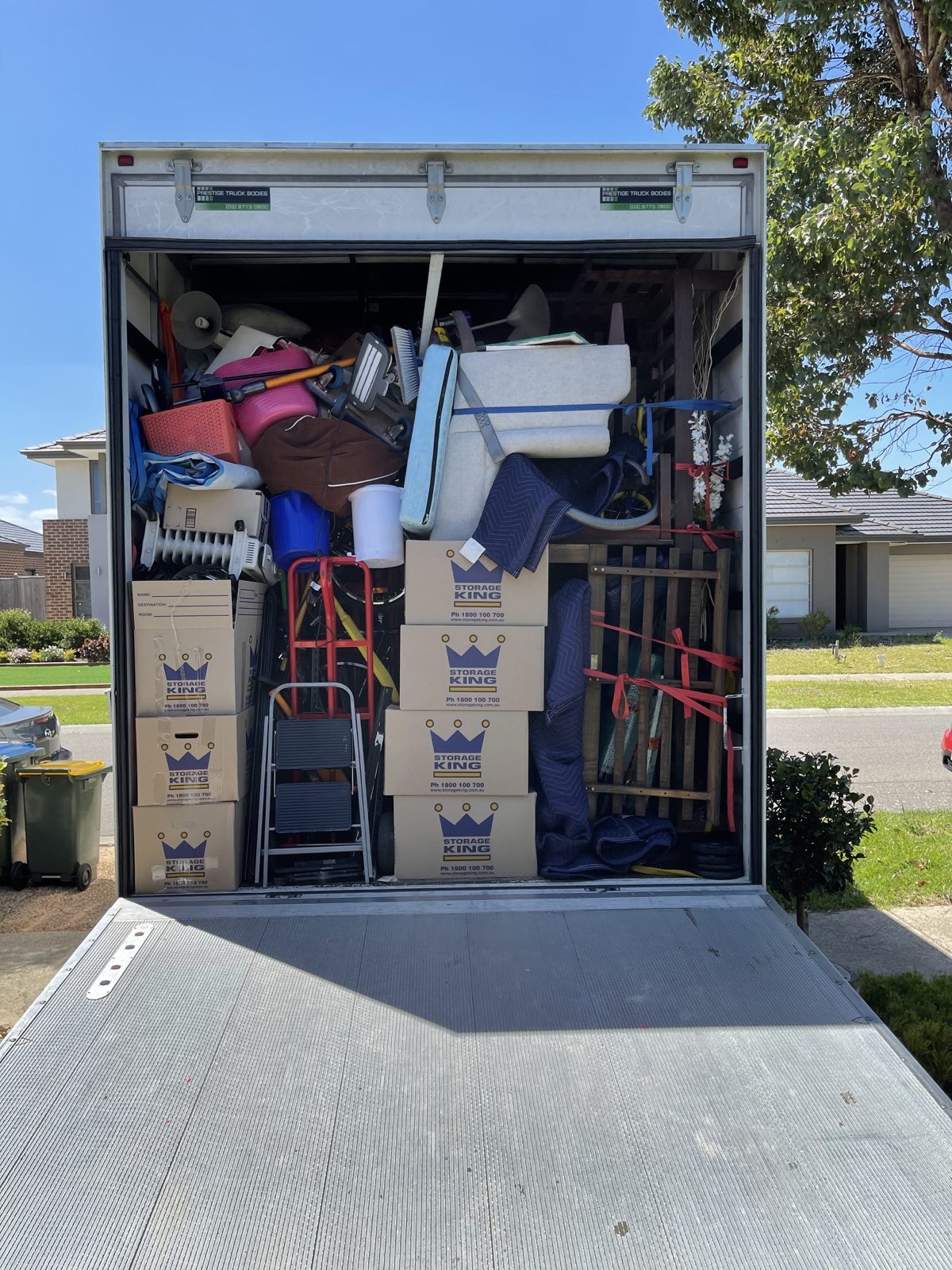
Eco-Friendly Moving Tips Melbourne: Reuse and Recycling
Quick answer: sort belongings before packing, confirm donation or resale arrangements early, reuse sound boxes and containers where suitable, and keep enough protection for fragile items. Separate recyclable packaging, electronics and household chemicals, then check the correct local collection options. Give the movers an accurate inventory instead of choosing a truck by an assumed environmental benefit.
These eco-friendly moving tips for Melbourne focus on practical reuse and waste preparation. They do not quantify a move’s environmental footprint or establish that one truck size is greener than another.
Request a free moving quote with your item list, pickup and delivery suburbs, access details and preferred date. Confirm any requested packing work or extra stops separately.
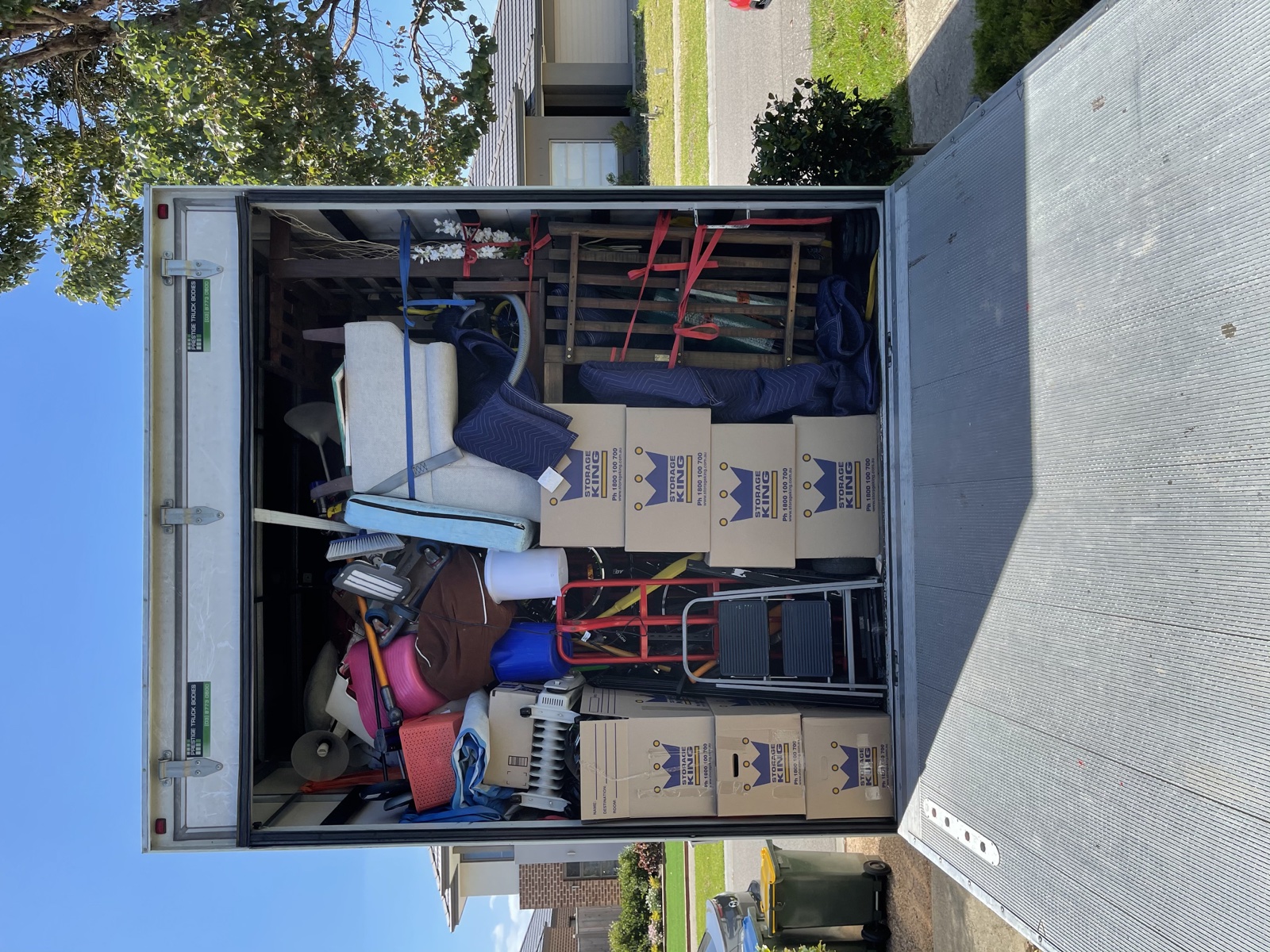
What this lower-waste moving guide covers
This guide is for Melbourne households deciding what to move, what can be reused and what needs a separate collection or disposal plan. The useful decisions are specific: which cartons are still fit for use, which items have an agreed new owner, and which materials your local service accepts.
A furniture-moving booking should not be treated as a waste-removal, chemical-disposal or donation-collection service unless that work has been expressly agreed.
Sort the household into five practical groups
| Group | Next step before moving day |
|---|---|
| Keep and move | Put the items on the inventory and check dimensions, access and packing needs. |
| Donate or sell | Confirm acceptance or a buyer, the collection arrangement and a fallback if it falls through. |
| Reuse as packing | Inspect boxes and containers for strength, cleanliness and suitability for the intended contents. |
| Recycle | Separate materials and check the current council or building-service rules before using bins or drop-off sites. |
| Special disposal | Identify batteries, unwanted electronics and household chemicals; arrange the relevant collection route separately. |
Mark these groups clearly so donation or disposal items are not accidentally loaded. Confirm who is handling each collection and allow time for any rejected items to be dealt with appropriately.
Reduce unnecessary materials without sacrificing protection
For a lower-waste move, the goal is not to remove all packing. The goal is to use the right protection in the right places. Sofas, timber furniture, whitegoods, TVs, mirrors and fragile pieces still need safe wrapping and controlled loading.
Check what you already have before buying more. Reuse only materials that suit the item and the handling plan, and ask about specialist protection for delicate surfaces or unusual pieces. Reusing a damaged carton is not a useful saving if it cannot support its contents.
Eco-friendly moving starts before packing day
Start sorting early enough to confirm donation, resale and disposal arrangements before the move. Keep the moving inventory up to date as items leave the home. If a collection is cancelled, tell the movers about any resulting change to the load rather than leaving it for moving morning.
Keep only what fits the next home
Before packing, walk through each room and decide what is actually going to the new property. Measure furniture against the new layout and check available storage. Keep useful items you intend to use; do not move unwanted furniture simply because a collection or sale was left unresolved.
Donate useful items early
For items in suitable condition, ask the intended charity or recipient what it accepts and confirm collection or drop-off arrangements. Send dimensions and condition photos where requested. Do not assume every usable item will be accepted or that collection is included. Keep accepted donation items separate from the moving load; the furniture donation planning guide has a more detailed checklist.
Recycle properly
Keep waste out of the household inventory. Separate packaging, electronics, batteries and chemicals rather than closing them into a mixed garage carton. Check the disposal route for each group and tell the movers about anything requiring special handling before packing it.
Match the truck to the load, not an environmental label
Send the full inventory, estimated carton count, photos of bulky items and access details before asking for a vehicle recommendation. Include garages, outdoor furniture and storage areas. Confirm any separate collection stops rather than assuming they can be added on the day.
Planning the load can help avoid an unexpected second trip, but truck size alone is not evidence of lower emissions. This guide does not have trip-specific fuel or emissions measurements to compare vehicles. Choose a suitable, safely loaded vehicle plan and keep environmental claims separate from capacity estimates.
Check reusable containers before borrowing or hiring
Suitcases, storage tubs and borrowed moving boxes may be useful for suitable belongings. Check that lids and handles work, containers close securely and the contents will not overload them. Ask the movers about unusually shaped or heavy containers before relying on them for the whole load.
If hiring reusable crates, check the supplier’s cleaning requirements, quantities, delivery and return arrangements, and any charges. Plan how they will get back after unpacking. Do not assume that a rental system is available through JD Movers or that one material is always the better environmental choice.
Packing materials: use less, but do not under-protect
Eco-friendly packing is not the same as weak packing. Fragile kitchenware, artwork, mirrors, electronics and timber furniture still need proper protection. The better approach is to reuse where it makes sense and avoid disposable materials where they do not add safety.
| Item type | Packing option to consider | Check before packing |
|---|---|---|
| Books and pantry items | Use smaller strong cartons and keep weight controlled | Use a suitable carton and keep it within its load limit |
| Clothes and linen | Use clean bags, suitcases or reusable containers where practical | Close containers securely and label the destination room |
| Kitchenware | Wrap fragile pieces properly and label cartons clearly | Use enough cushioning and suitable separation for fragile pieces |
| Furniture | Discuss suitable reusable blankets and other required protection | Confirm the required protection and who provides it |
| Garage items | Separate tools, sharp items, chemicals and waste before packing | Confirm item acceptance and any separate disposal needed |
How to reduce cardboard waste
Count the boxes and containers you already have, then pack by room and label each carton clearly. Use an appropriate box size for the contents rather than buying every box in the largest size. Remove obsolete destination labels so the crew can follow the current room plan.
If you already have strong used boxes, they can be reused if they are dry, clean and still hold their shape. Avoid old cartons that collapse when stacked. A weak box can slow the crew down and can cause breakage, which defeats the purpose of reducing waste.
Inspect the base, corners, seams and handles before reuse. Do not rely on extra tape to restore a softened or damaged box. Keep personal address labels out of public view if you pass boxes to another household.
Keep pickup access and the inventory clear
Check driveway access, parking arrangements, stairs, garage items and the carrying path. Tell the team about the full load, including outdoor items and anything stored away from the main rooms, so the plan does not depend on a partial inventory.
Before the move, it helps to group donation items away from moving items, keep fragile boxes separate, and clear hallways. If outdoor furniture, tools or storage tubs are going, tell the removalists early so the load plan is not built only around indoor furniture.
Prepare room labels and an unpacking area
Use consistent room names on boxes and the delivery plan. Keep a separate place for reusable boxes and packing material as you unpack, so it does not become mixed with household rubbish. Do not let packaging block the carrying route or exits.
If the driveway is narrow, the street is busy or the new home has stairs, include those details in the quote request. Confirm access and any delivery restrictions before moving day rather than assuming the same arrangements apply at both properties.
Arrange separate disposal for electronics and chemicals
Batteries and unwanted electronics
Do not put batteries or unwanted electronics in household or kerbside bins. The Victorian Government’s e-waste guidance explains dedicated drop-off options. Check what the collection point accepts and follow its handling instructions. Keep disposal items separate from working devices that are actually included in the move.
Household chemicals and paint
Do not put household chemicals in ordinary rubbish bins or pour them down drains. Check the Victorian Government’s chemical-disposal guide for the correct option and accepted-item list. Paint and other chemicals may need different collection programs. Follow the receiving service’s preparation instructions rather than mixing or decanting products to save space.
For items you intend to keep, ask the moving team about acceptance and any restrictions before packing. A booking for furniture and cartons does not establish that hazardous materials or disposal loads are accepted.
Eco-friendly moving checklist before booking
- Decide what will not move before packing starts.
- Confirm donation, resale or recycling arrangements and a fallback for rejected items.
- Use strong boxes that can be stacked safely.
- Pack by room and label every carton clearly.
- Identify fragile items, tools and anything requiring separate handling or disposal.
- Send photos of bulky furniture and the truck access area.
- Confirm the vehicle plan from the complete inventory and access, without assuming an emissions saving.
After unpacking: reuse or sort the packaging
Keep sound boxes and reusable containers together for storage, return or another household’s move. Remove old personal labels before passing them on. Return borrowed or hired materials under the arrangement you made before the move.
The Victorian Government’s household recycling guide advises flattening cardboard and keeping it dry. Check your council or building service for the specific packaging you have, including soft plastics, foam and mixed-material items, before deciding which collection to use.
A recycling symbol or a compostable label does not mean that every local service accepts the item. Follow the current local instructions and arrange an appropriate drop-off for excess materials that cannot be collected through your normal service.
Useful links for planning a lower-waste move
If you are still planning your move, these JD Movers pages may help:
- Moving house checklist Melbourne
- How to pack boxes for moving house
- Donating furniture before moving
- DIY moving vs professional removalists
- JD Movers removal services
- Get a free moving quote
Request a moving quote with a clear inventory
Send JD Movers your pickup and delivery suburbs, moving date, full inventory, carton estimate, large-item photos and access details. Explain which items are leaving through donation or disposal arrangements, and confirm any requested packing work or additional stops. Update the item list if those arrangements change.
Request a free moving quote from JD Movers.
Common questions about eco-friendly moving in Melbourne
Is a smaller truck automatically the greener choice?
No environmental comparison can be made from size alone. The load, access and journey need assessment, and this guide has no trip-specific emissions data. Ask for a suitable vehicle plan rather than treating a capacity label as proof of environmental performance.
Can I reuse second-hand boxes?
Yes, if they are clean, dry and strong enough to stack. Do not use soft or damaged boxes for heavy items, fragile items or anything that needs to sit safely inside the truck.
What should I do with furniture I do not want?
Decide early and confirm acceptance, condition requirements and collection with the recipient or service. Keep those items separate from the moving load and have a fallback if they are declined. Do not assume the moving crew will arrange donation or disposal.
Does decluttering help the moving quote?
Yes. A clearer item list helps JD Movers choose the right truck size, crew plan and loading order. It can reduce wasted space and make the quote more accurate.
Can I put all used packing materials in the recycling bin?
No. Separate the materials and check the current council or building-service instructions. Suitable cardboard may be recyclable, while foam, soft plastics or mixed-material packaging can require a different route.
Does a furniture-moving quote include waste collection?
Do not assume so. Confirm the agreed work before booking and arrange donation, e-waste, chemical or other disposal services separately unless specifically accepted. Tell the moving team if an additional stop or changed inventory needs assessment.
Related Melbourne service areas
For local access and quote planning, see Mount Waverley removalists and Blackburn removalists. Waste and recycling arrangements should be checked with the relevant provider at each address.
Contact JD Movers to clarify the inventory, access requirements or requested moving work.