
Final Week Moving Checklist Melbourne: Templestowe Lower 10 Tonne Planning Case
Real Melbourne moving checklist case: this guide is based on an anonymised July 2026 JD Movers calendar booking record for a Templestowe Lower to Templestowe Lower local home move. Customer names, private contact details, specific street details and cost details are not published. Because the exact moving day is not shown here, this article treats the record as a planning case rather than claiming the move has already been completed.
The useful moving details are clear: a local Templestowe Lower route, a 10 tonne moving truck, two removalists noted in the booking record, and double-storey access at both pickup and delivery. That combination makes the final week more important than usual. The suburb distance is short, but stairs, parking position, furniture order and last-minute packing can still decide whether the moving day feels controlled or rushed.
If you are moving in Templestowe Lower, Doncaster, Bulleen, Heidelberg, Rosanna, Templestowe or nearby suburbs, request a free moving quote from JD Movers. Send your suburb route, bedroom count, box estimate, major furniture list and access photos so we can recommend whether a 10 tonne or 12 tonne truck is more suitable.
Who this final week checklist helps
This checklist is for Melbourne customers who are close to moving day and need a practical plan, not a generic list. It is especially useful for 3-4 bedroom homes, townhouses, larger units and double-storey properties where the truck choice, stairs and packing order can affect the whole booking.
A 10 tonne truck often suits many 3-4 bedroom moves when the customer has a moderate box count and the access is workable. A 12 tonne truck is often better for many 4-5 bedroom style homes, larger family loads, big garage areas, outdoor furniture, extra storage and a higher number of boxes. The final week is when customers should confirm which situation they are actually in.
Case snapshot
| Calendar record | Anonymised July 2026 JD Movers booking record |
| Route | Templestowe Lower to Templestowe Lower |
| Move type | Local Melbourne home move with double-storey access |
| Truck setup | 10 tonne moving truck, with two removalists noted in the booking record |
| Usually suits | Many 3-4 bedroom homes, townhouses or larger unit moves |
| Main planning focus | Stairs, parking, furniture protection, room labels, packing completion and loading order |
Why the final week matters for this type of move
A final week checklist should not be the same for every move. A ground-floor apartment, a storage move and a double-storey family home all need different preparation. In this Templestowe Lower planning case, the main issue is not the driving route. The route is local. The important issue is how ready the two homes are when the truck arrives.
Double-storey access changes the work. Upstairs beds, desks, drawers, wardrobes, nursery furniture, hallway turns and landing areas all need more planning than ground-floor items. If heavy furniture is still full, if beds are not ready to dismantle, or if boxes are unlabelled, the team can still work, but the day becomes slower and more stressful.
10 tonne vs 12 tonne truck decision in the final week
| Truck option | Usually suits | Final week signal |
| 10 tonne truck | Many 3-4 bedroom homes, townhouses and larger unit moves | Moderate box count, limited garage items, manageable outdoor load and practical parking |
| 12 tonne truck | Many 4-5 bedroom style family homes and fuller household relocations | Large garage load, outdoor furniture, many boxes, whitegoods, bulky furniture or more storage |
| Access-led choice | Any home where stairs, driveway angle or carry distance changes the job | Photos of access may matter as much as the bedroom count |
Seven days before moving
Confirm the booking details: pickup suburb, delivery suburb, arrival window, truck size, access notes and any large items that may need extra planning. If the home is double-storey, tell JD Movers which heavy pieces are upstairs and whether any furniture was assembled inside the room.
Start packing storage cupboards, garage items, books, spare linen, decor, seasonal items and anything not needed during the week. Put heavy items into smaller boxes. A box that is too heavy slows the move and increases the chance of damage to the box or the home.
Five days before moving
Check parking at both Templestowe Lower addresses. For a 10 tonne truck, close parking can make a big difference. If the truck needs to stop far from the entrance, every item takes longer to carry. This is especially important when stairs are already part of the job.
Separate items that should not go on the truck: passports, chargers, medicines, keys, settlement documents, laptops, school items, pet supplies and first-night bags. Keep these in a private car or clearly separate from the main moving load.
Three days before moving
Finish most of the packing. Leave only daily essentials open. Label each box with the room it belongs to, not just the item category. “Kitchen – fragile” is more useful than “miscellaneous”. “Master bedroom – wardrobe” is more useful than “clothes”. Good labels help the crew unload room by room instead of creating a mixed pile at the new home.
Measure or photograph tight access areas. This includes stairs, narrow hallways, low light fittings, driveway turns, garage clearance and the closest truck parking point. If a bed frame, fridge, dining table or cabinet looks tight, send a photo before moving day.
One day before moving
Empty and defrost fridges and freezers where needed. Disconnect washing machines if the customer is responsible for that step. Remove loose shelves from cabinets. Keep screws and fittings in labelled bags. Tape remotes and small parts to the item only when it will not damage the surface.
Clear the main walking path. Shoes, toys, loose cables, pot plants and small furniture should not sit in the carrying route. For double-storey homes, stairs should be clear before the team arrives. This improves speed and reduces avoidable risk.
Moving morning checklist
- Keep the driveway and closest parking area clear where possible.
- Walk the removalists through both priority items and fragile items.
- Point out upstairs furniture, tight turns, balcony access or difficult doorways.
- Confirm which boxes or items should be loaded last because they are needed first.
- Keep children and pets away from the carrying path.
- Check wardrobes, drawers, sheds, garages and outdoor areas before the truck leaves.
- Keep keys, documents, chargers and overnight bags separate from the truck load.
How JD Movers would plan the loading order
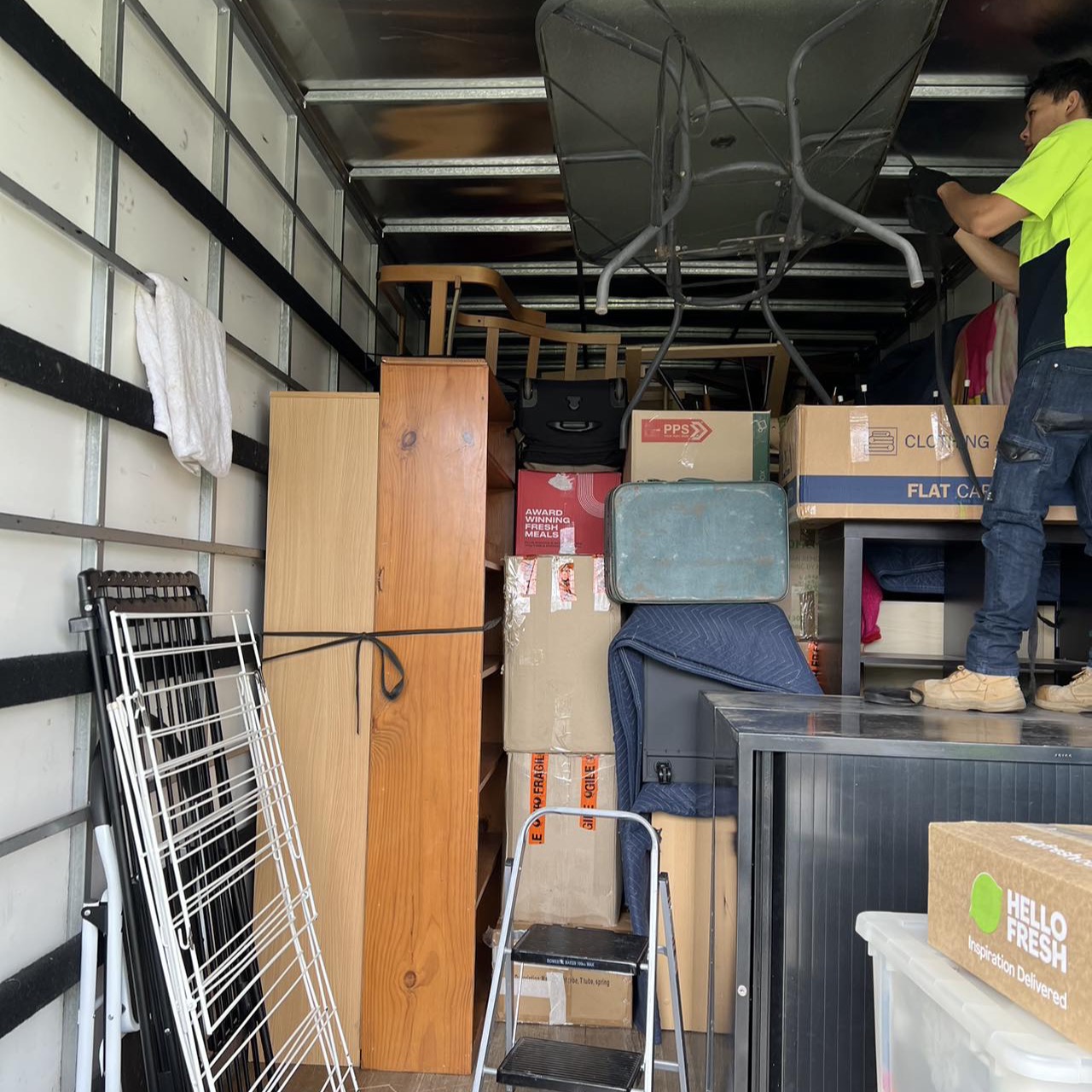
For a 10 tonne home move, loading order matters. Heavy furniture and stable pieces should form the base. Mattresses and soft furniture should be protected from sharp edges. Boxes should be stacked by strength and weight. Fragile items should be separated from pressure points, and items needed first at delivery should be kept accessible.
In a local Templestowe Lower move, the short drive does not remove the need for careful loading. Most damage risk happens during lifting, turning, stacking and unloading, not during the suburb-to-suburb drive. That is why proper preparation in the final week can make the biggest difference.
Double-storey access notes
Double-storey homes need a clear stair plan. Beds, dressers, tallboys, desks, wardrobes and heavy boxes should not be left as a last-minute surprise. If furniture needs to be dismantled, the customer should decide whether to do it before the team arrives or ask JD Movers about the best option during the quote stage.
Customers should also think about what goes upstairs at the new home. If every upstairs box is simply marked “bedroom”, the unload can become confusing. Room names, children’s names, or simple labels like “front bedroom” and “back bedroom” can make the final stage much faster.
What to send for an accurate quote
A better quote starts with better information. For a final week booking check, send the pickup suburb, delivery suburb, bedroom count, rough box count, photos of large items, access photos and any notes about stairs, lifts, driveway distance or parking limits. Photos are especially useful for double-storey homes because they show the real carry path.
If you are unsure whether your move needs a 10 tonne or 12 tonne truck, send the inventory rather than guessing. JD Movers can then compare your load with similar Melbourne jobs and recommend a more practical setup.
Trust proof from Melbourne customers
JD Movers is shown on its testimonials page as 4.8 out of 5 based on 436 Google reviews. One 5-star Google reviewer said the team had items “stacked properly and safely”. For a final week moving checklist, that review is directly relevant: the point of preparation is to make the truck easier to stack, safer to unload and clearer for the crew.
5, 10 and 12 tonne truck planning
JD Movers does not choose a truck by suburb name alone. We compare the property type, bedroom count, box estimate, lift or stair access, parking distance, bulky furniture and whether the job is a full home move, apartment move, office move or selected-item move.
| Truck option | Best fit | Planning note |
|---|---|---|
| 5 tonne truck | 1-2 bedroom units or apartments, small item lists, student moves, compact access or partial furniture moves. | A 5 tonne truck is useful when the load is smaller and parking or apartment access is tighter. |
| 10 tonne truck | 3-4 bedroom apartments, units, townhouses or prepared smaller homes with boxes, beds, lounges and whitegoods. | A 10 tonne truck gives more capacity for a normal household load while still being practical for many Melbourne streets. |
| 12 tonne truck | 4-5 bedroom homes, larger family moves, garage items, outdoor furniture, heavy pieces or commercial stock. | A 12 tonne truck is better when volume, bulky furniture or loading separation matters more than compact access. |
For a more accurate quote, send the pickup and delivery suburbs, property type, bedroom count, box estimate, stairs or lift details, parking notes and photos of large or fragile items.
Useful links for planning your move
- Melbourne removal services
- Moving house checklist Melbourne
- Moving essentials checklist
- How to pack boxes for moving house
- Furniture removals Melbourne
- Request a free moving quote
Common questions about the final week before moving
Is one week enough time to prepare for a Melbourne move?
Yes, if most packing decisions are made quickly. The final week should focus on confirming access, finishing boxes, preparing furniture, separating essentials and making sure the movers have the right information.
Should I choose a 10 tonne or 12 tonne truck?
A 10 tonne truck often suits many 3-4 bedroom moves, townhouses and larger units. A 12 tonne truck is often better for many 4-5 bedroom style homes or larger family loads. The right choice depends on volume and access.
What should I pack last?
Pack daily essentials last: toiletries, chargers, school items, work laptops, medicine, a change of clothes, basic kitchen items and important documents. Keep these separate from the main truck load.
Do stairs change the quote or timing?
Stairs can change timing because the carry path is longer and heavier items need more care. Send photos of stairs and large upstairs furniture before moving day so JD Movers can plan properly.
How do I get help for a final week move?
Use the JD Movers quote form and include your suburb route, bedroom count, box estimate, large item list and access photos.
Request a quote for a 10 or 12 tonne Melbourne move
Related JD Movers service areas
This real moving case is connected to local suburb pages where JD Movers explains access, truck size planning and quote details for similar Melbourne moves.
Customers often mention that items are “stacked properly and safely”. Use the related suburb pages together with this case to plan the right 5, 10 or 12 tonne truck before moving day.